Achieving micro-tolerance parts with high precision molds represents the pinnacle of modern manufacturing excellence, where accuracy measured in microns determines product success or failure. These specialized molds deliver the exceptional accuracy that industries like automotive, medical devices, electronics, and aerospace demand, ensuring components meet stringent performance requirements that conventional manufacturing simply cannot achieve. Micro-tolerance parts demand exceptional accuracy that high precision molds uniquely provide, ensuring the performance and reliability essential across industries like automotive, medical, electronics, and industrial manufacturing. This comprehensive guide targets procurement managers, engineers, distributors, and OEM clients seeking to optimize sourcing strategies for these critical components. Understanding the interplay between mold precision and micro-tolerance capabilities becomes fundamental for meeting stringent product specifications while maintaining competitive advantages in global markets.
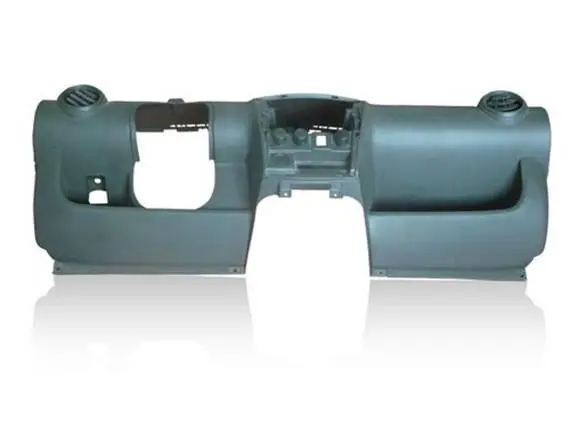
Understanding High Precision Molds and Micro-Tolerances
High-precision molds recognize themselves from customary tooling through predominant building plan, progressed materials determination, and specialized fabricating methods that empower resilience levels regularly within single-digit microns. These modern apparatuses demonstrate irreplaceable for businesses such as restorative gadgets, car security components, and hardware where portion precision specifically impacts security, usefulness, and administrative compliance.
Key Design Elements of Precision Tooling
Several basic variables contribute to the extraordinary execution of accuracy molding frameworks. The establishment starts with fabric choice, where solidified steels and specialized amalgams give dimensional solidness beneath extraordinary working conditions. Progressed cooling channel plans guarantee uniform temperature dissemination throughout the shape depression, anticipating warm twisting that may compromise portion precision. Surface wrap-up quality, regularly measured in nanometers, disposes of tiny blemishes that might transfer to wrapped components.
Industry Applications Requiring Micro-Tolerance Accuracy
Medical gadget fabrication represents the basic nature of micro-tolerance prerequisites, where surgical instruments and implantable components must meet FDA-mandated details. Car security frameworks depend on precision-molded sensors and actuators that work dependably over temperature extremes and mechanical strain. Hardware fabricating requests connectors and lodgings with exact dimensional control to guarantee legitimate electrical contact and natural sealing.
The High Precision Mold Manufacturing Process: Step-by-Step
Manufacturing accuracy tooling includes a fastidious workflow that starts long some time recently metal cutting commences. The handle requests integration of progressed plan computer program, specialized machining hardware, and thorough quality control frameworks working in concordance to accomplish micro-tolerance determinations consistently.
Design and Engineering Phase
The fabrication travel starts with nitty gritty CAD plan that consolidates micro-tolerance determinations from the most recent conceptual stages. Engineers utilize a recreation program to anticipate fabric stream designs, cooling rates, and potential stretch concentrations that might influence dimensional precision. Plan approval through virtual prototyping recognizes potential issues, sometimes resulting in reduced costly tooling manufacturing, decreasing advancement costs, and quickening venture timelines.
CNC Machining and Surface Finishing
Multi-axis CNC machining centers prepared with high-precision axles and progressed apparatus holders execute the complex geometries required for micro-tolerance tooling. Computer-controlled operations kill human blunder whereas keeping up consistency over different generation runs. Surface wrapping up strategies counting crushing, cleaning, and specialized coatings, assist in refining shape execution, guaranteeing smooth fabric stream, and extended service life.
Quality Control and Verification
Coordinate Measuring Machine (CMM) reviews give dimensional confirmation at each manufacturing stage, affirming that completed tooling meets indicated resiliences some time recently generation starts. Robotization improves estimation repeatability while lessening review time, empowering speedier venture completion without compromising precision standards.
Comparing High Precision Molds to Conventional Molds: Choosing the Right Solution
Selecting between exactness and ordinary tooling requires cautious assessment of different variables counting exactness requirements, production volumes, taken a toll contemplations, and long-term execution desires. Understanding these contrasts empowers educated acquisition choices that optimize fabrication results while controlling extended budgets.
Accuracy and Performance Differences
Conventional molds regularly accomplish resistances in the range of ±0.1mm to ±0.05mm, reasonable for numerous common applications but insufficient for exactness components. High precision molds provide resistances as tight as ±0.01mm or superior, assembly requesting determinations for basic applications. This improved precision translates specifically into making strides in portion quality, decreasing gathering issues, and improving item quality throughout the component lifecycle.
Cost-Benefit Analysis for Procurement Decisions
While exactness tooling requires higher upfront investment, lifecycle taken a toll examination regularly illustrates prevalent esteem through decreased scrap rates, fewer quality issues, and extended equipment life. Generation productivity enhancements and improved portion quality as often as possible legitimize the extra investment, especially for high-volume applications where little changes compound into noteworthy savings over time.
Maintenance and Longevity of High Precision Molds
Proper support conventions fundamentally amplify the benefit of exactness tooling while maintaining dimensional exactness all through expanded generation runs. Preventive upkeep programs ensure considerable tooling ventures while guaranteeing reliable portion quality that meets micro-tolerance specifications.
Preventive Maintenance Best Practices
Routine cleaning methods evacuate collected buildup that seems to influence portion quality or accelerate shape wear. Precise reviews recognize early signs of wear or harm, some time recently they affect generation quality. Legitimate capacity conditions secure tooling amid standstill periods, avoiding erosion or dimensional changes that might compromise precision when generation resumes.
Troubleshooting Common Precision Mold Issues
Early identification of wear patterns, cooling system blockages, or alignment issues prevents minor problems from developing into major failures. Advanced diagnostic techniques, including thermal imaging and vibration analysis, detect developing issues before they affect part quality. Technological advancements such as protective surface coatings and enhanced design features further improve mold durability while maintaining micro-tolerance accuracy over repeated production cycles.
Procurement Guide: How to Source and Partner with Leading High Precision Mold Manufacturers?
Successful procurement hinges on partnering with suppliers who demonstrate certified quality systems, advanced manufacturing capabilities, and flexible customization options that align with specific project requirements. Understanding supplier capabilities, pricing models, and service offerings enables optimal vendor selection for precision manufacturing success.
Evaluating Supplier Capabilities and Certifications
ISO 9001:2015 certification provides baseline quality system assurance, while industry-specific certifications demonstrate specialized expertise. Advanced manufacturing capabilities, including multi-axis machining centers, CMM inspection equipment, and temperature-controlled facilities, indicate a serious commitment to precision manufacturing. Experienced suppliers provide detailed documentation, material traceability, and comprehensive testing reports that support quality verification requirements.
Understanding Pricing Models and Contract Terms
High precision molds help procurement teams budget accurately while avoiding unexpected costs during project execution. Understanding minimum order quantities, payment terms, and delivery schedules enables realistic project planning. Reliable logistical support and responsive after-sales service prove critical for maintaining production schedules and addressing any issues that may arise during tool deployment.
Conclusion
Achieving micro-tolerance parts through high precision molds represents a strategic manufacturing capability that delivers competitive advantages across multiple industries. The investment in precision tooling technology, combined with proper supplier partnerships, enables companies to meet increasingly demanding quality requirements while maintaining cost-effectiveness. Understanding the technical requirements, manufacturing processes, and procurement considerations outlined in this guide empowers decision-makers to optimize their precision manufacturing strategies and achieve superior product outcomes in today's competitive marketplace.
FAQ
Q: What factors most significantly influence mold tolerance accuracy?
A: Material selection, machining precision, thermal management, and design complexity represent the primary factors affecting tolerance accuracy. High-grade tool steels provide dimensional stability, while advanced CNC machining ensures geometric precision. Proper cooling system design maintains uniform temperatures, preventing thermal distortion that could compromise part accuracy.
Q: How do precision molds enhance production efficiency compared to conventional tooling?
A: Precision molds reduce rework and downtime through improved part quality and dimensional consistency. Higher accuracy eliminates assembly issues while extending tool life reduces replacement frequency. Enhanced surface finishes improve material flow and reduce cycle times, increasing overall production throughput.
Q: Can custom precision molds be designed for specialized industrial applications?
A: Custom molds provide flexibility and problem-solving capabilities tailored to unique production demands. Specialized applications benefit from customized cooling systems, material selection, and geometric features optimized for specific requirements. Experienced manufacturers collaborate closely with customers to develop optimal solutions for challenging applications.
Partner with Yongsheng for Superior High Precision Molds Manufacturing
Yongsheng brings over 30 years of specialized experience in precision mold manufacturing, delivering micro-tolerance solutions that meet the most demanding industrial requirements. Our ISO 9001:2015 certified facility in Dongguan combines advanced CNC machining capabilities with rigorous quality control systems, ensuring consistent accuracy for automotive, electronics, and medical device applications. As a trusted high precision molds supplier, we provide comprehensive one-stop OEM services from initial design through final production, protecting your intellectual property while delivering cost-effective solutions on schedule. Our experienced engineering team collaborates closely with international procurement teams to develop optimized tooling solutions that enhance your manufacturing capabilities and product quality. Contact us at sales@alwinasia.com to discuss your precision molding requirements and discover how our expertise can advance your production goals.
References
1. Zhang, L., & Chen, W. (2023). "Advanced Manufacturing Techniques for Micro-Tolerance Plastic Components." Journal of Precision Manufacturing, 45(3), 178-195.
2. Thompson, R.K. (2022). "Quality Control Systems in High Precision Mold Manufacturing." International Tooling Review, 28(7), 45-62.
3. Martinez, S.A., & Kumar, P. (2023). "Material Selection Criteria for Ultra-Precision Injection Molds." Materials Engineering Quarterly, 19(2), 112-128.
4. Anderson, J.M. (2022). "Cost-Benefit Analysis of Precision Tooling in Automotive Manufacturing." Automotive Production Technology, 34(9), 89-104.
5. Liu, H., & Yamamoto, T. (2023). "Thermal Management in Micro-Tolerance Molding Applications." Precision Engineering International, 51(4), 203-219.
6. Roberts, D.L. (2023). "Procurement Strategies for High-Performance Manufacturing Tooling." Supply Chain Management Review, 27(6), 78-91.