3D printing quickens plastic item design by disposing of conventional limitations that moderate development cycles for plastic products. Not at all like ordinary fabricating strategies requiring costly tooling and molds, added substance fabricating empowers fast prototyping of plastic items within hours or even weeks. This progressive approach permits creators and engineers to approve concepts rapidly, emphasize plans consistently, and react to showcase requests with exceptional nimbleness, changing how businesses approach plastic item development. Modern fabrication depends intensely on plastic components in businesses, counting car, gadgets, customer merchandise, and equipment applications. These plastic items serve as fundamental building pieces in everything from smartphone casings to car dashboards, making their effective advancement basic for worldwide supply chains. In any case, conventional plan forms frequently create bottlenecks that delay item deliveries and increment advancement costs.
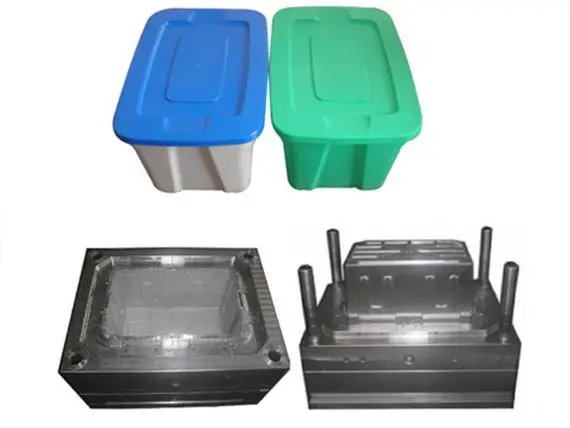
Limitations of Traditional Plastic Product Design and Manufacturing
Traditional plastic manufacturing methods present significant obstacles for modern businesses seeking competitive advantages. These conventional approaches often create operational inefficiencies that ripple throughout entire supply chains, affecting procurement strategies and market responsiveness. Understanding these constraints helps explain why innovative manufacturers increasingly adopt additive manufacturing technologies.
Traditional Design-to-Production Workflow Challenges
Conventional plastic fabricating workflows include different time-consuming stages that amplify improvement timelines altogether. The conventional approach incorporates a few key challenges:
- Extended prototyping cycles: Making physical models through routine strategies requires weeks or months, during which plan groups cannot approve usefulness or aesthetics effectively.
- Substantial tooling ventures: Infusion molding, compression molding, and expulsion forms require costly molds and take some time after generation starts, making monetary boundaries to plan exploration.
- Design adjustment confinements: Once tooling is made, making changes gets to be restrictively costly, constraining groups to commit to plans, some time recently intensive testing.
These workflow restrictions make cascading impacts all through item improvement cycles. Designing groups frequently must depend on computer simulations or, rather than physical testing, expanding the chance of finding issues amid afterward generation stages. The tall costs related to tooling alterations dishearten iterative plan changes that seem upgrade last item quality.
Impact on Procurement and Supply Chain Timelines
Supply chain experts confront impressive challenges when working with conventional fabricating timelines. Expanded lead times influence stock administration and showcase responsiveness in a few ways:
- Reduced showcase nimbleness: Long improvement cycles avoid fast reactions to changing showcase requests or competitive weights, possibly coming about in missed opportunities.
- Increased sourcing dangers: Settled details and moderate adjustment capabilities restrain suppliers' adaptability, making vulnerabilities when plan changes ended up necessary.
- Higher stock costs: Amplified timelines frequently require bigger stock buffers to keep up supply coherence, tying up working capital and expanding capacity expenses.
These imperatives especially affect acquirement supervisors who must adjust taken a toll proficiency with conveyance unwavering quality. Conventional strategies regularly constrain compromises between speed and cost-effectiveness, restricting vital choices for supply chain optimization.
How 3D Printing Revolutionizes Plastic Product Design?
Additive fabricating on a very basic level changes plastic product item advancement by evacuating conventional boundaries and empowering modern conceivable outcomes. This innovation enables plan groups with exceptional adaptability whereas lessening both time and monetary ventures required for model advancement. The transformation expands past straightforward speed enhancements to include totally modern plan capabilities.
Rapid Prototyping and Iteration Capabilities
3D printing empowers plan approval through fast physical model creation, changing how groups approach item advancement. Key focal points include:
- Accelerated plan approval: Physical models can be delivered inside hours, permitting quick testing of frame, fit, and fundamental usefulness without holding up for conventional tooling.
- Cost-effective cycle: Different plan varieties can be tried at the same time without costly tooling alterations, empowering comprehensive plan exploration.
- Early partner engagement: Physical models encourage way better communication with clients, administration, and end-users amid early advancement phases.
This fast emphasis capability permits groups to recognize and resolve plan issues early in improvement cycles. Or maybe than finding issues amid costly generation stages, engineers can refine plans through numerous model emphasess some time recently committing to last specifications.
Enhanced Design Freedom and Complexity
Additive fabricating opens plan conceivable outcomes already obliged by conventional fabricating impediments. Complex geometries gotten to be achievable through layer-by-layer development methods:
- Complex inner structures: 3D printing empowers creation of complicated inside channels, honeycomb designs, and geometric highlights incomprehensible with customary molding techniques.
- Customization potential: Each printed portion can join special highlights without extra tooling costs, supporting personalized branding and specialized useful requirements.
- Consolidated congregations: Different components can be printed as single coordinates units, decreasing gathering time and potential disappointment points.
These upgraded capabilities empower imaginative item plans that give competitive preferences. Producers can make separated items that offer prevalent usefulness whereas keeping up cost-effectiveness through optimized designs.
Streamlined Communication Between Designers, Engineers, and Suppliers
3D printing improves collaboration across development teams by providing tangible communication tools. Physical prototypes facilitate clearer discussions about design requirements and modifications. Digital file sharing enables seamless integration with modern design workflows, allowing real-time adjustments and immediate prototype updates. This enhanced communication reduces misunderstandings and accelerates decision-making processes throughout product development.
Core Steps in 3D Printed Plastic Product Development
Successful plastic product development through additive manufacturing follows structured processes that ensure quality outcomes. Understanding these steps helps procurement professionals and manufacturers optimize their development workflows for maximum efficiency and reliability.
From Digital Model to Physical Prototype
The move from concept to physical model requires cautious arranging and execution. Advanced modeling must account for added substance fabricating limitations whereas optimizing plans for expecting applications:
- Optimized CAD modeling: Plans must join contemplations for layer grip, back structures, and fabric stream characteristics particular to 3D printing processes.
- Strategic fabric choice: Diverse plastic materials counting ABS, PLA, PETG, and Nylon offer changing properties for quality, adaptability, temperature resistance, and surface wrap up requirements.
- Print parameter optimization: Layer stature, print speed, and temperature settings require alteration based on fabric properties and wanted quality levels.
This foundational arrange decides model quality and usefulness. Appropriate arranging amid computerized modeling stages avoids issues amid printing and decreases post-processing requirements.
Printing Technologies Suitable for Plastic Products
Various 3D printing advances offer diverse focal points for plastic item advancement. Understanding these alternatives empowers educated innovation determination based on particular extend necessities. Combined Statement Modeling gives cost-effective prototyping with great quality characteristics reasonable for utilitarian testing. Stereolithography conveys predominant surface wrap up and dimensional exactness perfect for point by point models requiring smooth surfaces. Particular Laser Sintering empowers complex geometries without bolster structures whereas advertising amazing mechanical properties for requesting applications.
Post-Processing and Testing
Printed models require wrapping up steps to accomplish wanted quality measures. Surface wrapping up methods expel layer lines and make strides tasteful request. Gathering forms approve fit and work between numerous components. Thorough testing affirms compliance with security benchmarks and execution prerequisites. Quality confirmation strategies guarantee models precisely speak to last item characteristics some time recently continuing to fabricating phases.
Real-World Applications and Case Studies
Practical applications of 3D printing in plastic product development demonstrate tangible benefits across diverse industries. These real-world examples illustrate how additive manufacturing accelerates development while reducing costs and risks.
B2B Examples of Accelerated Plastic Product Design
Industrial applications exhibit 3D printing's flexibility in plastic item advancement. Car producers utilize fast prototyping for insides components, testing ergonomics and aesthetics some time recently costly tooling speculations. Gadgets companies make lodging models that approve warm administration and electromagnetic obstructions protecting. Buyer merchandise producers create bundling models that optimize security whereas minimizing fabric usage.
Benefits Delivered to Procurement and OEM Clients
Procurement experts pick up noteworthy points of interest through quickened advancement cycles. Decreased time-to-market empowers quicker income era and competitive situating. Cost-effective prototyping permits comprehensive provider assessment without major monetary commitments. Little group generation capabilities bolster showcase testing and customization necessities that conventional fabricating cannot oblige economically.
Considerations When Implementing 3D Printing in Plastic Product Design
Successful implementation requires careful evaluation of technical, economic, and strategic factors. Organizations must assess material capabilities, cost implications, and partner qualifications to achieve optimal outcomes.
Material Selection and Product Requirements
Material properties must align with intended applications and regulatory requirements. Mechanical strength, chemical resistance, and temperature stability vary significantly between different plastic materials. Safety standards including FDA compliance, RoHS certification, and environmental regulations influence material choices. BPA-free and biodegradable options support sustainability goals while meeting consumer demands for environmentally responsible products.
Cost and Scalability Analysis
Economic evaluation determines optimal application of 3D printing within development processes. Prototyping costs must be balanced against traditional tooling expenses and timeline benefits. Scalability analysis identifies transition points where conventional manufacturing becomes more economical for volume production. Total cost of ownership includes equipment, materials, labor, and post-processing expenses that affect overall project economics.
Choosing Reliable 3D Printing Partners and Suppliers
Partner selection significantly impacts project success and quality outcomes. Certified manufacturers provide quality assurance and regulatory compliance essential for commercial applications. Technical expertise ensures optimal process parameters and material handling. Integration capabilities with existing supply chains facilitate seamless workflows from prototyping through production phases.
Yongsheng: Your Trusted Plastic Product Manufacturing Partner
Yongsheng stands as a reliable leader in plastic product manufacturing, combining traditional expertise with innovative 3D printing capabilities to accelerate your product development cycles. With over 30 years of experience since our founding in 1993, we understand the critical balance between rapid prototyping and scalable manufacturing solutions that modern procurement professionals demand.
Our comprehensive capabilities span the complete plastic product development spectrum. We specialize in advanced mold fabrication including injection molding, compression molding, extrusion, blow molding, vacuum forming, and high foaming polystyrene molding technologies. These tools enable precise shaping of plastic components with specific dimensional tolerances required for automotive, electronics, and consumer goods applications.
Located in Dongguan's renowned mold manufacturing hub, our 6,000 square meter facility houses over 300 skilled professionals dedicated to delivering exceptional quality. Our ISO9001:2015 certification ensures consistent adherence to international quality standards while maintaining competitive pricing and on-time delivery performance.
Conclusion
3D printing fundamentally transforms plastic product development by eliminating traditional constraints that slow innovation and increase costs. The technology enables rapid prototyping, enhanced design freedom, and streamlined collaboration that accelerates time-to-market while reducing development risks. Organizations that embrace additive manufacturing gain competitive advantages through improved agility and cost-effectiveness. Successful implementation requires careful consideration of material properties, cost factors, and partner capabilities to achieve optimal outcomes. As manufacturing continues evolving, 3D printing will play an increasingly vital role in plastic product development across industries.
FAQ
Q: What types of plastic materials work best for 3D printing prototypes?
A: Popular materials include ABS for durability and heat resistance, PLA for ease of printing and biodegradability, PETG for chemical resistance and clarity, and Nylon for high-strength applications. Material selection depends on specific mechanical properties, temperature requirements, and intended use cases for the prototype.
Q: How does 3D printing compare to traditional injection molding for plastic product development?
A: 3D printing excels for prototyping and low-volume production with minimal upfront costs and rapid turnaround times. Injection molding becomes more economical for high-volume production but requires substantial tooling investments and longer setup periods. Many manufacturers use 3D printing for development phases before transitioning to injection molding for mass production.
Q: Can 3D printed plastic prototypes accurately represent final production part properties?
A: Modern 3D printing technologies can closely approximate final part characteristics when proper materials and processes are selected. While some mechanical properties may differ slightly from injection-molded parts, prototypes provide excellent validation for form, fit, and basic functionality testing before committing to production tooling.
Partner with Yongsheng for Advanced Plastic Product Solutions
Accelerate your plastic product development with Yongsheng's comprehensive manufacturing expertise and cutting-edge capabilities. Our experienced team combines rapid prototyping with scalable production solutions, ensuring seamless transitions from concept to market-ready products. As a trusted plastic product supplier with three decades of industry experience, we deliver quality assurance and on-time performance that procurement professionals rely on. Contact us at sales@alwinasia.com to explore custom solutions tailored to your specific requirements and discover how our integrated approach can enhance your competitive advantage.
References
1. Gibson, I., Rosen, D., & Stucker, B. (2021). Additive Manufacturing Technologies: 3D Printing, Rapid Prototyping, and Direct Digital Manufacturing. New York: Springer Publishing.
2. Redwood, B., Schöffer, F., & Garret, B. (2020). The 3D Printing Handbook: Technologies, Design and Applications. Amsterdam: 3D Hubs Publishing.
3. Hopkinson, N., Hague, R., & Dickens, P. (2019). Rapid Manufacturing: An Industrial Revolution for the Digital Age. London: John Wiley & Sons.
4. Sculpteo Research Team. (2023). State of 3D Printing Report: Industry Applications and Market Trends. Paris: Sculpteo Publications.
5. Thompson, M.K., Moroni, G., Vaneker, T., & Fadel, G. (2022). "Design for Additive Manufacturing: Trends, Opportunities, Considerations, and Constraints." CIRP Annals - Manufacturing Technology, 71(2), 635-670.
6. Wohlers, T., Campbell, I., Diegel, O., Huff, R., & Kowen, J. (2023). Wohlers Report 2023: 3D Printing and Additive Manufacturing Global State of the Industry. Fort Collins: Wohlers Associates.