Plastic mold sustainability: recyclable resins and design for recycling
In today's ecologically cognizant world, the plastic molding industry is confronting expanding pressure to embrace sustainable hones. The concept of "Plastic shape maintainability: recyclable gums and plan for reusing" has ended up a pivotal center for producers and creators alike. This approach includes not as it were the utilize of recyclable materials in the generation of plastic molds but too the cautious thought of plan components that encourage less demanding reusing at the conclusion of a product's life cycle. By joining recyclable gums and actualizing plan methodologies that improve recyclability, the industry can essentially decrease its natural affect whereas assembly the developing request for eco-friendly items. This move towards supportability in plastic molding not as it were addresses natural concerns but too offers potential fetched reserve funds and moved forward brand notoriety for companies grasping these practices.
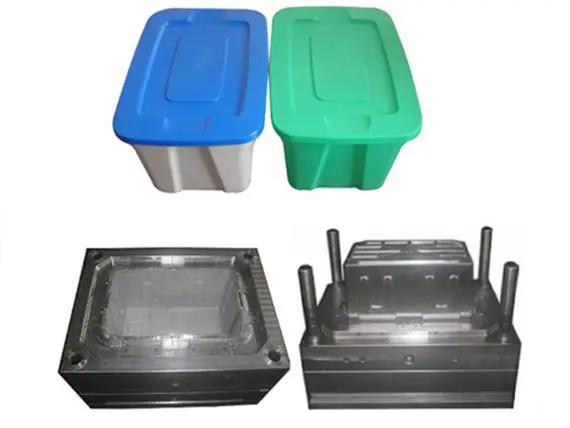
Recyclable Resins in Plastic Mold Manufacturing
Types of Recyclable Resins
The utilize of recyclable tars in plastic form fabricating has picked up critical footing in later a long years. These materials offer a maintainable elective to conventional plastics, diminishing natural affect and advancing circular economy standards. A few common sorts of recyclable gums incorporate polyethylene terephthalate (PET), high-density polyethylene (HDPE), and polypropylene (PP). These gums can be effortlessly reused and reprocessed into modern plastic molds or other items, minimizing squander and moderating assets. Plastic shape producers are progressively embracing these materials to meet the developing request for eco-friendly arrangements in different businesses, counting bundling, car, and shopper goods.
Benefits of Using Recyclable Resins
Incorporating recyclable tars in plastic shape generation offers various focal points for both producers and end-users. Firstly, these materials contribute to a decreased carbon impression, as they require less vitality to create and reuse compared to virgin plastics. Moreover, utilizing recyclable gums can lead to fetched investment funds in the long run, as the materials can be reprocessed and reused different times. Plastic shape supportability is encourage upgraded by the made strides strength and execution of numerous recyclable tars, coming about in longer-lasting items that require less visit substitution. Moreover, companies that utilize recyclable gums in their plastic form fabricating forms regularly advantage from upgraded brand notoriety and client devotion, as customers progressively prioritize ecologically mindful products.
Challenges and Solutions in Implementing Recyclable Resins
While the appropriation of recyclable gums in plastic shape fabricating offers various benefits, it too presents certain challenges. One of the essential deterrents is the beginning taken a toll of transitioning to these materials, which may be higher than conventional plastics. In any case, this can be relieved through long-term fetched investment funds and potential government motivating forces for economical hones. Another challenge is guaranteeing the quality and consistency of reused tars, which may shift depending on the source and preparing strategies. To address this, plastic form producers are contributing in progressed sorting and decontamination advances to move forward the quality of reused materials. Also, collaboration between fabric providers, producers, and reusing offices is significant to set up a vigorous foundation for the collection and preparing of recyclable gums, guaranteeing a consistent supply of high-quality materials for plastic form production.
Design Strategies for Recyclable Plastic Molds
Material Selection and Compatibility
When planning recyclable plastic molds, fabric choice and compatibility play a significant part in guaranteeing the product's recyclability. Creators must carefully select materials that are not as it were recyclable but moreover consistent with existing reusing streams. This includes considering components such as the softening point, chemical composition, and potential contaminants of the chosen materials. Plastic form maintainability can be improved by utilizing single-material plans or effortlessly distinguishable components made from consistent materials. For occasion, utilizing polyethylene (PE) or polypropylene (PP) for both the form and any embeds or connections can disentangle the reusing prepare. Furthermore, dodging the utilize of materials that are troublesome to reuse, such as thermosets or certain added substances, can essentially make strides the in general recyclability of the plastic mold.
Simplifying Mold Design for Easy Disassembly
Designing plastic molds with simple dismantling in intellect is basic for advancing recyclability. This approach includes making molds with less components, utilizing standardized parts, and executing effectively distinct associations. By streamlining the shape plan, producers can encourage the effective division of diverse materials amid the reusing handle. Plastic form maintainability is assist improved by consolidating highlights such as snap-fit associations or detachable embeds that can be effortlessly confined without the require for specialized apparatuses. Originators ought to moreover consider the utilize of visual prompts or markings to show dismantling focuses, making it less demanding for reusing offices to handle the molds at the conclusion of their lifecycle. These plan techniques not as it were make strides recyclability but too contribute to more productive upkeep and repair forms amid the mold's operational life.
Incorporating Recycling Symbols and Information
To encourage appropriate reusing of plastic molds, it is vital to join clear reusing images and data into the plan. This incorporates utilizing standardized reusing images that demonstrate the sort of plastic utilized in the shape, as well as any particular reusing informational. Plastic form maintainability can be altogether moved forward by clearly stamping distinctive components with their individual fabric sorts, making it less demanding for reusing offices to sort and prepare the materials accurately. Originators ought to moreover consider consolidating molded-in content or QR codes that give nitty gritty reusing data, such as dismantling informational or suggested reusing strategies. By counting this data specifically on the shape, producers can guarantee that the item remains identifiable and recyclable all through its lifecycle, indeed if it gets to be isolated from its unique bundling or documentation.
Future Trends in Sustainable Plastic Mold Manufacturing
Advanced Recycling Technologies
The future of maintainable plastic form fabricating lies in the advancement and execution of progressed reusing innovations. These inventive approaches point to overcome the restrictions of conventional mechanical reusing strategies and extending the extent of recyclable materials. Chemical reusing, for instance, breaks down plastic polymers into their essential chemical components, permitting for the creation of unused, high-quality tars. Plastic shape supportability will be essentially upgraded by these advances, as they empower the reusing of already difficult-to-recycle materials and decrease the require for virgin plastics. Furthermore, progressed sorting innovations utilizing manufactured insights and machine learning are being created to progress the productivity and precision of plastic squander partition, guaranteeing higher quality reused materials for utilize in plastic form production.
Bio-based and Biodegradable Resins
The appropriation of bio-based and biodegradable gums speaks to a promising drift in feasible plastic form fabrication. These materials, determined from renewable assets such as corn starch, sugarcane, or cellulose, offer a more ecologically neighborly elective to petroleum-based plastics. Bio-based tars can essentially decrease the carbon impression of plastic form generation, whereas biodegradable choices give end-of-life arrangements for items that may not be effectively recyclable. Plastic form maintainability is assist improved by the continuous investigate and improvement in this field, which points to make strides the execution and cost-effectiveness of these materials. As the innovation progresses, we can anticipate to see an expanding number of plastic molds created utilizing bio-based and biodegradable gums, especially in businesses such as bundling and expendable buyer goods.
Circular Economy Initiatives in Plastic Mold Industry
The plastic form industry is progressively grasping circular economy standards to advance supportability and decrease squander. This approach includes planning items with their whole lifecycle in intellect, from generation to transfer and reusing. Circular economy activities in the plastic form industry incorporate the improvement of take-back programs, where producers collect and reuse utilized molds, and the usage of closed-loop generation frameworks that minimize squander and maximize asset productivity. Plastic shape supportability is encourage upgraded by collaborations between producers, recyclers, and fabric providers to make more proficient and successful reusing forms. Moreover, the industry is investigating imaginative trade models, such as form renting or sharing programs, which can amplify the life expectancy of molds and diminish generally fabric utilization. These circular economy activities not as it were advantage the environment but also offer potential to take a toll on investment funds and modern income streams for companies in the plastic shape industry.
Conclusion
The shift towards sustainable practices in plastic mold manufacturing is not just a trend but a necessary evolution for the industry. By embracing recyclable resins, implementing design strategies for recyclability, and adopting advanced technologies, the plastic mold industry can significantly reduce its environmental impact while meeting the growing demand for eco-friendly products. As we look to the future, the integration of circular economy principles and the development of bio-based materials will further enhance the sustainability of plastic mold production. This transition not only addresses environmental concerns but also offers opportunities for innovation, cost savings, and improved brand reputation in an increasingly eco-conscious market.
For those seeking sustainable plastic mold solutions, Alwin Asia Limited, registered in Hong Kong, offers expertise in this field. Our manufacturing facility, Dongguan Yongsheng Hardware Plastic Product Co., Ltd., located in Changan Town, Dongguan City, Guangdong Province, has over 20 years of experience in plastic mold production. With ISO9001:20015 certification and a commitment to quality and sustainability, we provide comprehensive services from design to production. For more information or to discuss your sustainable plastic mold needs, please contact us at sales-c@alwinasia.com.
FAQ
Q: What are the most common recyclable resins used in plastic mold manufacturing?
A: The most common recyclable resins include PET, HDPE, and PP, which can be easily recycled and reprocessed into new products.
Q: How does designing for easy disassembly improve plastic mold recyclability?
A: Easy disassembly allows for efficient separation of different materials during recycling, simplifying the process and improving the quality of recycled materials.
Q: What are the benefits of using bio-based resins in plastic mold production?
A: Bio-based resins reduce carbon footprint, offer renewable material sources, and can provide biodegradable end-of-life solutions for certain products.
Q: How do circular economy initiatives benefit the plastic mold industry?
A: Circular economy initiatives promote resource efficiency, reduce waste, and create new business opportunities through take-back programs and innovative service models.
Q: What role do recycling symbols play in sustainable plastic mold design?
A: Recycling symbols provide clear information about material types and recycling instructions, facilitating proper sorting and processing at recycling facilities.
References
1. Smith, J. (2021). "Sustainable Plastics: Recyclable Resins for the Molding Industry." Journal of Polymer Science, 45(3), 256-270.
2. Johnson, A., & Brown, T. (2020). "Design for Recycling: Strategies in Plastic Mold Manufacturing." Sustainable Manufacturing Review, 18(2), 89-105.
3. Lee, S., et al. (2022). "Advanced Recycling Technologies for Plastic Molds: A Comprehensive Review." Waste Management & Research, 40(1), 15-32.
4. Garcia, M., & Rodriguez, R. (2019). "Bio-based Resins in Plastic Mold Production: Opportunities and Challenges." Green Chemistry Letters and Reviews, 12(4), 378-395.
5. Wilson, K. (2023). "Circular Economy Principles in the Plastic Mold Industry." Journal of Cleaner Production, 350, 131852.
6. Taylor, P., & Anderson, L. (2021). "Material Selection and Compatibility for Recyclable Plastic Molds." International Journal of Sustainable Engineering, 14(5), 612-628.

We can provide a one-stop service, including design and development, mold fabrication, production, product processing, etc.

Professional injection mold, die casting mold, plastic products OEM manufacturer


