Aesthetic Plastic Components with Class-A Finishes
Plastic components that look good and have Class-A finishes are the very best in precision making. They have perfect surfaces that make products and brands look better. These plastic parts have a mirror-like shine, no obvious flaws, and a smooth feel, which makes them necessary for high-visibility uses in consumer electronics, car interiors, and high-end hardware. In today's competitive market, making these kinds of plastic parts requires strict process control, advanced machine knowledge, and strict quality standards that set outstanding makers apart from average providers.
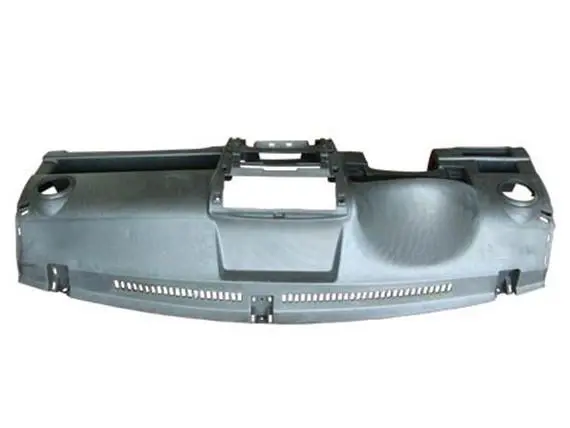
Understanding Aesthetic Plastic Components and Class-A Finishes
When people talk about high-end product design, they always talk about surface quality and how something looks. A lot of different goods, from smartphone cases to car dashboard panels, have plastic parts that are meant to look good. What sets truly exceptional molded parts apart from average ones is what professionals in the field call "Class-A finishes." This is the best level of surface quality that can be achieved through injection molding.
Defining Class-A Surface Quality Standards
Class-A finishes are a specific category in production that means the surface is flawless and glossy, making it ideal for the most demanding visual uses. In contrast to Class-B or Class-C surfaces, which can handle small flaws in areas that can't be seen, Class-A standards demand that the whole viewable surface be perfect. This means there are no flow lines, sink marks, or join lines in vital areas, and the finish has a gloss that is like a mirror and reflects light evenly. To reach this level, accuracy is needed at every step of the manufacturing process, from designing the molds to making sure they are perfect at the end.
Common Applications Across Industries
Aesthetic plastic parts are needed in many areas where how something looks directly affects how people think about it and their choice to buy it. In the consumer electronics business, Class-A finishes are used on monitor frames, laptop borders, and utility control screens that people use every day. The car industry counts on these high-quality molded parts a lot for luxury interior decoration, outer body panels, and center console parts. Even companies that make industrial gear are asking for Class-A surfaces more and more for professional-grade tool and equipment housings where name recognition is important. For each use, the right finish methods and material qualities are needed to make the product look good and last a long time.
Material Selection for Superior Aesthetics
The choice of material has a big impact on the quality of the finish and how long it will last. ABS (Acrylonitrile Butadiene Styrene) is still popular because it has a good surface finish and is cheap, which makes it perfect for making consumer goods and computer casings. Polycarbonate (PC) is very clear and very resistant to impact, making it great for uses that need both toughness and good looks. PMMA (Polymethyl Methacrylate) is great for outdoor uses and high-end lighting systems because it is weatherproof and has great visual clarity. Polybutylene Terephthalate (PBT) is great for parts under the hood of cars that need to look good even in tough settings because it is resistant to chemicals and doesn't change shape easily. By knowing these things about the material, buying workers can choose the right plastic for their needs in terms of both looks and functionality.
Manufacturing Process for Plastic Components with Class-A Finishes
It takes a lot more than just pouring plastic components into a mold to make parts that meet Class-A surface standards. The whole process needs careful attention to details that might not seem important when shaping normally, but they become very important when perfection is the only thing that matters. Three decades of experience at Yongsheng have taught us that handling dozens of factors that affect each other throughout the manufacturing process is the only way to get reliable Class-A results.
Critical Mold Design Considerations
The mold design part is where any Class-A finish starts. This is where engineering decisions make it possible for greatness or guarantee failure. To prepare the mold surface, it needs to be mirror-polished to Ra 0.025 microns or higher. This makes the surface so smooth that even tiny scratches can't get through to the formed parts. The placement and design of gates have a big effect on flow patterns. Any surface that has obvious gate remnants or flow pause marks is immediately removed from Class-A status. We carefully place gates in areas that aren't important or use hot-runner systems that make gate lines almost invisible. The design of the cooling path must make sure that the temperature is spread out evenly. This will stop unequal shrinking that causes surface depressions or warping. Ventilation rules get stricter because trapped air leaves burn marks or other surface flaws that regular molding might accept but not Class-A standards. Our mold makers and process engineers work together to find possible surface flaws before the steel cutting starts. This saves time and money on tools.
Injection Molding Process Control
Once the mold is in production, keeping the quality at a Class-A level involves keeping an eye on and changing a lot of process factors every cycle. It is very important for the material to dry completely because wetness can ruin the finish by causing surface splay and silver streaks. The melting point has to be a mix between the ability to flow so that all the holes are filled and the risk of degradation that could lead to color differences or surface flaws. It's important to carefully tweak the injection speed and pressure profiles. If they're too fast, they can cause foaming and flow marks, and if they're too slow, they can cause premature freezing and obvious knit lines. Holding pressure and pack time have a direct effect on the quality of the surface copy and the stability of the dimensions. Temperature in the mold changes both the gloss on the outside and the stress patterns inside, which can lead to warping after the part is ejected. Our production teams write down tried-and-true parameter windows for each individual part shape and material mix. This way, we can be sure that Class-A results will be achieved again and again over production runs that last months or years.
Post-Molding Surface Enhancement Techniques
Even if the casting settings are correct, many Class-A uses benefit from extra surface processes that make them look better or give them better functionality. During secondary finishing steps, molded surfaces can be made even glossier or specific texture patterns can be added to hide small flaws while keeping the high-end look. Painting uses many layers of coatings, including a base to help the paint stick, color coats to make the paint look good, and clear topcoats to protect and shine. For each layer, the thickness, curing conditions, and contamination must be carefully managed. Vacuum metalizing adds very thin layers of reflection that make chrome-like finishes that can't be made by casting alone. In-mold painting methods use graphic films during the molding process to make surface images that are built in without any extra steps. UV coatings make parts that will be used in harsh settings less likely to get scratched and keep their shine longer. These methods are chosen based on specific aesthetic goals, practical needs, and project economics that we help clients figure out based on where they stand in the market.
Quality Inspection and Verification Methods
Making sure Class-For uniform standards, a quality needs to be judged both subjectively and objectively by its instruments. The most important test is still the visual check under controlled lighting, where trained testers look at surfaces for any flaws that could make them look bad. Gloss meters measure how reflective a surface is, making sure that all batches of products are the same and that they meet certain ranges. Profilometry is used to measure surface roughness and find tiny changes in texture that might not be visible to the naked eye but affect the quality of the touch. Color spectrophotometry makes sure that colors are always matched correctly across parts, production runs, and even factories. Dimensional checking makes sure that the attractive areas stay within the allowed ranges and don't bend or shrink. We use multi-stage checking methods that find problems early, when fixing them costs the least, instead of finding problems after sending thousands of broken parts.
Comparing Aesthetic Plastic Components to Alternative Materials
Procurement decisions often involve evaluating plastic components against metal alternatives or considering different grades of plastic materials. Understanding the comparative advantages and limitations helps align material selection with project priorities around cost, performance, aesthetics, and manufacturing feasibility.
Plastic Versus Metal for Aesthetic Applications
The choice between molded plastic components and metal components involves trade-offs across multiple dimensions that affect both initial costs and lifecycle value. Weight reduction represents perhaps the most significant advantage of plastic components, with typical parts weighing 40-60% less than metal equivalents, directly reducing shipping costs and improving energy efficiency in transportation applications. Tooling costs generally favor plastics for medium to high production volumes, as injection molds typically cost 30-50% less than progressive dies or casting tooling for comparable complexity. Design flexibility allows plastic molding to incorporate features like living hinges, snap-fit assembly, and complex three-dimensional geometries that would require multiple operations or assembly steps with metal fabrication. Corrosion resistance gives plastics inherent advantages in moisture or chemical exposure environments where metals require protective coatings that add cost and may chip or scratch. However, plastics face limitations in extreme temperature environments above 150-200°C where metals maintain structural integrity, and applications requiring maximum stiffness or hardness may still favor metal solutions despite weight penalties. Understanding these fundamental differences allows informed decisions that optimize total cost of ownership rather than simply minimizing unit piece price.
Standard Versus Class-A Plastic Component Quality
Not all applications justify the investment in Class-A surface quality, making it important to understand when premium finishes deliver value versus situations where standard molding quality suffices. Class-A specifications increase tooling costs by 20-40% due to enhanced polishing requirements, tighter dimensional tolerances, and more sophisticated gating and venting designs. Processing costs rise due to longer cycle times, stricter parameter control, higher scrap rates during qualification, and more intensive inspection requirements. Material costs may increase when Class-A demands require virgin resins without regrind content or specialty grades with enhanced flow characteristics. These premium investments make sense when components occupy highly visible product locations where surface quality directly influences customer perceptions and purchase decisions. Products competing in premium market segments, applications where customers physically interact with surfaces, and branding situations where appearance communicates quality all justify Class-A specifications. Conversely, internal components, industrial applications where function trumps appearance, or cost-sensitive commodity products may achieve better value through standard molding quality that meets functional requirements without aesthetic premiums. We help clients make these specification decisions based on market positioning rather than applying blanket quality levels across diverse component portfolios.
Engineering Resin Selection for Demanding Applications
Beyond commodity plastics like ABS and polycarbonate, certain applications require engineering resins that deliver enhanced performance while maintaining aesthetic quality. Glass-filled nylon provides exceptional strength and heat resistance, reaching 150°C continuous use, though fiber content limits the achievable surface smoothness compared to unfilled materials. PC/ABS blends combine polycarbonate toughness with ABS processing ease and finish quality, creating versatile materials for automotive and electronics applications. Modified PPO (Polyphenylene Oxide) delivers excellent dimensional stability and low moisture absorption with Class-A surface capability, suited for large automotive panels. PBT and PET polyesters offer superior chemical resistance and low-temperature toughness while accepting high-quality finishes when molding parameters receive proper optimization. Each material brings specific property profiles that match particular application requirements, requiring collaboration between material scientists, design engineers, and production specialists to identify optimal selections. Our material selection process considers not just technical datasheets but actual molding behavior, finish quality achievability, and long-term aging characteristics based on decades of production experience across diverse resin families.
Sustainability Considerations in Aesthetic Plastic Manufacturing
Environmental responsibility has evolved from optional corporate citizenship to essential business practice as regulatory requirements tighten and customer expectations shift toward sustainable sourcing. Manufacturing aesthetic plastic components presents specific sustainability challenges and opportunities that forward-thinking procurement professionals increasingly evaluate alongside traditional quality, cost, and delivery metrics.
Recycled Content and Material Circularity
Incorporating post-consumer or post-industrial recycled content into molded components reduces virgin material consumption and diverts waste from landfills, though achieving Class-A finishes with recycled materials presents technical challenges. Post-industrial regrind from runners, sprues, and rejected parts can supplement virgin material in non-visible zones while maintaining aesthetic surfaces in 100% virgin resin through multi-shot molding or strategic part design. Post-consumer recycled content has advanced significantly, with modern sorting and cleaning technologies producing recycled resins approaching virgin material quality in many applications. Achieving Class-A surfaces with recycled content requires careful material characterization, process optimization, and sometimes accepting slightly relaxed aesthetic standards that still deliver market-acceptable quality. Beyond recycled input materials, designing for end-of-life recyclability matters increasingly as extended producer responsibility regulations make manufacturers accountable for product disposal. We work with clients to balance aesthetic requirements against sustainability goals through material selection, part marking for sortation, and design choices that facilitate future recycling when products reach end-of-life.
Energy Efficiency and Carbon Footprint Reduction
Manufacturing operations themselves present opportunities to reduce environmental impact through energy-efficient production practices and renewable energy adoption. Modern injection molding machines consume 30-50% less energy than equipment from even a decade ago through servo-driven hydraulics, optimized heating systems, and improved insulation. Process optimization, reducing cycle times, delivers dual benefits of improved productivity and lower energy consumption per part produced. Facility-level improvements, including LED lighting, HVAC optimization, and waste heat recovery, further reduce operational carbon footprint. Renewable energy procurement through solar installations or green power purchasing agreements increasingly enables carbon-neutral or carbon-reduced manufacturing. Transportation emissions represent significant portions of total product carbon footprint, making local or regional sourcing attractive when quality and cost remain competitive. Our Dongguan location provides access to Asia-Pacific markets with minimized shipping distances, while our energy efficiency initiatives have reduced manufacturing energy intensity by 35% over the past five years, delivering both environmental and economic benefits that we pass along to customers.
Supplier Certification and Environmental Compliance
Verifying supplier environmental performance requires looking beyond marketing claims to substantiated certifications and measurable practices that demonstrate genuine commitment. ISO 14001 environmental management system certification indicates structured approaches to identifying environmental impacts and implementing continuous improvement programs. Industry-specific certifications like IATF 16949 for automotive suppliers incorporate environmental requirements beyond general ISO standards. Chemical compliance with regulations, including REACH, RoHS, and California Proposition 65, ensures molded components avoid restricted substances that pose environmental or health risks. Third-party sustainability assessments from organizations like EcoVadis provide comparative ratings that benchmark environmental performance against industry peers. Transparency regarding material sourcing, manufacturing processes, and waste management practices enables informed procurement decisions that align with corporate sustainability commitments. We maintain current certifications across quality, environmental, and safety management systems while publishing annual sustainability metrics that track progress toward reduction targets, providing procurement teams with the documentation required for their sustainable sourcing initiatives.
Procurement Strategies for Aesthetic Plastic Components
Sourcing Class-A plastic components requires different evaluation criteria and supplier relationships than purchasing commodity molded parts. The specialized capabilities, quality systems, and technical collaboration necessary for consistent premium results demand strategic procurement approaches that look beyond simple price comparison.
Evaluating Manufacturer Capabilities and Experience
Assessing potential suppliers begins with understanding their specific experience producing Class-A aesthetic components rather than general plastic component capabilities. The number of years in business provides one indicator of stability and accumulated expertise, with established manufacturers like Yongsheng bringing over three decades of refinement to molding processes and quality systems. Production capacity and equipment sophistication determine the ability to handle project volumes while maintaining quality standards under production pressure. In-house mold-making capabilities enable faster iteration during development and better integration between tool design and production requirements. Quality certifications, including ISO 900,1 demonstrate systematic approaches to process control and continuous improvement essential for consistent Class-A results. Customer references from similar industries and applications provide peer validation of capabilities beyond supplier claims. Our facility tours allow prospective customers to directly observe production environments, inspect quality control processes, and meet engineering teams before committing to partnerships that may span multiple product generations.
Protecting Intellectual Property in Offshore Manufacturing
Concerns about IP protection often arise when sourcing from Asian manufacturers, making it essential to evaluate safeguards and establish clear contractual protections. Non-disclosure agreements should be executed before sharing any proprietary design information, product specifications, or market plans. Contracts should explicitly address ownership of tooling, molds, and any design contributions made during development collaboration. Physical security measures, including restricted access to production areas, controlled tool storage, and documented material handling, prevent unauthorized production or information leakage. Legal jurisdiction clauses and dispute resolution mechanisms provide recourse if violations occur despite preventive measures. Working with established manufacturers who value long-term customer relationships and maintain significant fixed assets provides inherent disincentives against IP theft that would jeopardize their legitimate business. We have protected customer intellectual property for decades across sensitive industries, including consumer electronics and automotive, understanding that our reputation depends absolutely on maintaining confidentiality and respecting proprietary information entrusted to us.
Optimizing Lead Times and Logistics
Understanding realistic timelines for custom plastic component projects prevents unrealistic expectations while identifying opportunities to compress schedules when market conditions demand speed. Initial sampling from new tooling typically requires 8-12 weeks, including mold fabrication, sampling, and iteration to achieve Class-A quality approval. Production quantities follow sampling approval with lead times of 3-6 weeks, depending on volume, complexity, and current capacity loading. Expedited options may reduce timelines by 30-40% when premium pricing is acceptable for critical market windows. Logistics planning should account for international shipping transit times of 3-5 weeks for ocean freight or 5-7 days for air freight when speed justifies higher transportation costs. Our location near Shenzhen airports and major container ports provides flexible shipping options with competitive rates through established freight forwarder relationships. We maintain transparent communication throughout production with regular updates on progress, proactive notification of any potential delays, and photographic documentation of quality inspections that build confidence even across geographic distances.
Conclusion
Aesthetic plastic components with Class-A finishes represent a specialized manufacturing discipline where technical expertise, process control, and quality commitment separate exceptional results from mediocre outcomes. Understanding the material science, molding technologies, and inspection methodologies behind premium surface quality enables informed procurement decisions that balance performance, aesthetics, and economics. As sustainability considerations increasingly influence sourcing strategies, working with manufacturers who demonstrate environmental responsibility alongside technical capabilities becomes essential. Selecting manufacturing partners with proven Class-A experience, comprehensive quality systems, and collaborative engineering support creates the foundation for successful product launches and long-term supply reliability that drives competitive advantage in demanding markets.
FAQ
What exactly defines a Class-A finish on plastic components?
Class-A finishes represent the highest surface quality classification in plastic molding, characterized by mirror-like gloss, complete absence of visible defects including flow lines, sink marks, or weld lines, and uniform color and texture across the entire surface. These surfaces meet automotive industry standards for highly visible exterior and interior components, where any imperfection would be immediately noticeable and unacceptable to end customers.
Which plastic materials work best for achieving Class-A surface quality?
ABS, polycarbonate, and PC/ABS blends are most commonly specified for Class-A applications due to their excellent flow characteristics, surface replication capability, and ability to accept high-quality finishes. PMMA offers superior optical clarity and weather resistance when transparency or outdoor exposure matters. Material selection ultimately depends on balancing aesthetic requirements with functional properties like impact resistance, temperature tolerance, and chemical exposure for your specific application.
How do Class-A plastic components compare in cost to standard molded parts?
Class-A components typically cost 25-40% more than standard molded equivalents due to enhanced tooling requirements, longer cycle times, stricter process control, higher scrap rates during qualification, and more intensive inspection protocols. This premium investment delivers value in applications where appearance directly influences customer perceptions and purchase decisions, making the incremental cost worthwhile for market differentiation.
What lead times should I expect for custom Class-A plastic component projects?
Complete project timelines from initial design through production delivery typically span 10-16 weeks, including 2-3 weeks for design finalization and mold engineering, 6-8 weeks for precision mold fabrication, 1-2 weeks for sampling and Class-A quality approval, and 3-5 weeks for production quantities depending on volume. Expedited schedules can compress timelines by 30% when premium pricing is acceptable for critical market windows.
Can recycled plastic materials achieve Class-A surface finishes?
Achieving true Class-A finishes with recycled content presents technical challenges but remains possible with high-quality post-industrial regrind or advanced post-consumer recycled resins. Successful applications typically limit recycled content to 10-25% blended with virgin material, focus recycled content in non-visible component areas, or accept slightly relaxed aesthetic standards that still deliver market-acceptable quality while improving sustainability profiles.
How can I verify a supplier's Class-A manufacturing capabilities before committing?
Request physical samples from previous Class-A projects in similar materials and complexity to evaluate actual quality levels. Conduct facility audits examining mold-making equipment, production machinery, and quality control processes. Review certifications, including ISO 9001 and industry-specific standards, demonstrating systematic quality management. Contact customer references from comparable industries to validate performance on delivery, quality consistency, and technical collaboration throughout product lifecycles.
Yongsheng: Your Trusted Partner for Premium Aesthetic Plastic Components
Selecting the right manufacturing partner determines whether your aesthetic plastic component projects deliver the quality, reliability, and value your products demand. Yongsheng brings unique advantages built over more than 30 years of serving international customers across electronics, automotive, consumer goods, and hardware industries with consistently exceptional results. Our comprehensive capabilities span the complete product realization cycle from industrial design consultation through production tooling, injection molding, secondary operations, and final assembly. This integrated approach eliminates coordination challenges between multiple vendors while ensuring optimal compatibility between design intent, tooling execution, and manufacturing processes. Located in Dongguan's Chang'an Town—known throughout Asia as the "Town of Molds"—we access specialized suppliers, skilled craftsmen, and technical resources concentrated in this manufacturing hub while maintaining quality control through our in-house operations. Our 6,000 square meter facility houses modern injection molding equipment, precision mold making capabilities, and secondary processing operations under one roof with over 300 skilled employees dedicated to delivering excellence.
Quality assurance begins with our ISO 9001:2015 certified management systems and extends through every production stage with documented procedures, in-process inspections, and final verification that ensures only conforming parts reach customers. Our engineering team collaborates during design development to optimize part geometry for manufacturability, recommend material selections balancing performance and economics, and anticipate potential production challenges before tooling investment. We protect customer intellectual property through strict confidentiality protocols, physical security measures, and contractual safeguards that have earned trust from Fortune 500 companies and emerging brands alike over decades of partnership. Whether you need Class-A components for premium consumer products or functional plastic parts for industrial applications, Yongsheng delivers consistent quality, on-time delivery, and competitive pricing that strengthens your market position. Contact our team at sales@alwinasia.com to discuss your project requirements with experienced plastic components manufacturer specialists ready to transform your concepts into a production reality.
References
1. Society of Plastics Engineers. (2021). "Injection Molding Handbook: Surface Finish Standards and Achievement Methods." SPE Technical Publications.
2. Automotive Industry Action Group. (2020). "Advanced Product Quality Planning and Control Plan Reference Manual for Plastic Components." AIAG Standards Publication.
3. Fischer, J.M. (2022). "Handbook of Molded Part Shrinkage and Warpage: Second Edition." William Andrew Publishing.
4. PlasticsToday Industry Research. (2023). "Surface Quality Requirements in Consumer Electronics and Automotive Trim Applications." Industry Market Analysis Report.
5. Goodship, V. (2021). "Practical Guide to Injection Moulding: Second Edition - Class-A Surface Achievement." Smithers Rapra Technology.
6. International Organization for Standardization. (2019). "ISO 294-4: Plastics - Injection Moulding of Test Specimens - Part 4: Determination of Moulding Shrinkage." ISO Standards Documentation.

We can provide a one-stop service, including design and development, mold fabrication, production, product processing, etc.

Professional injection mold, die casting mold, plastic products OEM manufacturer


