Die Cast Parts with Enhanced Corrosion Resistance
Die casting parts that are more resistant to rust are an important way to make things for businesses that need durable products to work in harsh conditions. Manufacturers make parts out of metals that don't rust, like aluminum, zinc, and magnesium, using precise die casting techniques. These alloys can handle water, chemicals, and changes in temperature. Advanced surface processes and optimized metal formulas work together to make parts last a lot longer, which means they don't need to be replaced as often, and costs for upkeep go down. This way of making things is very useful for industries like technology, cars, consumer goods, and tools, where the durability of parts affects the dependability and happiness of the final product.
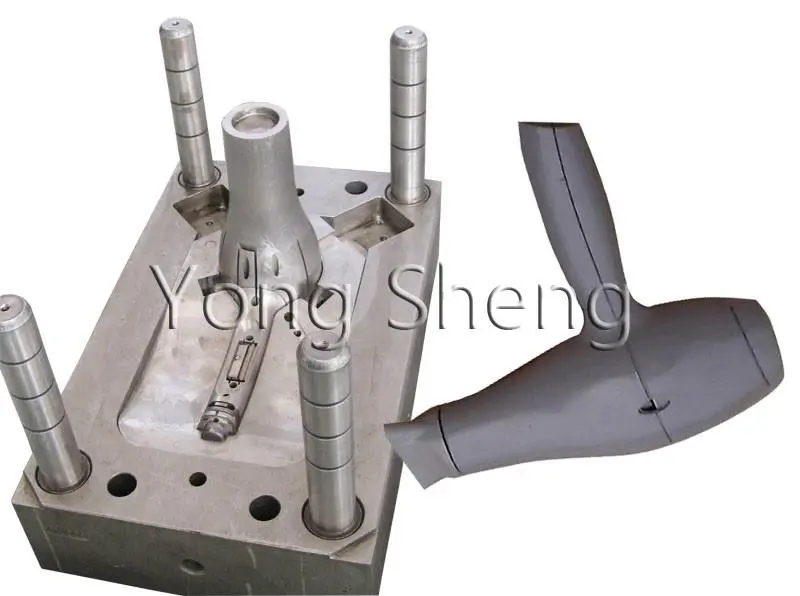
Understanding the Die Casting Process and Its Role in Corrosion Resistance
The die casting method is one of the most important ways to make things. It uses high-pressure drilling into reused steel molds to turn liquid metal into precise parts. This method makes parts that are very accurate in terms of their dimensions and have a high-quality finish that doesn't break down easily in the environment. We know that knowing how this process works gives procurement workers the power to make smart buying choices that balance low costs with meeting long-term performance needs.
How Metal Injection Molding Works
During the die casting process, liquid metal is heated to between 600°C and 700°C and then pushed into specially designed molds at pressures between 10,000 and 175,000 psi. The high pressure pushes the liquid metal into every tiny part of the mold hole. This makes parts with very tight tolerances, usually only ±0.1mm. When the metal cools quickly, it forms a fine-grained lattice that naturally fights rust better than parts made with slower cooling methods. The whole cycle takes only seconds to minutes to finish, which lets a lot of things be made while still meeting world quality standards.
Corrosion-Resistant Alloys in Metal Forming
The choice of material has a big impact on how well parts prevent damage from the surroundings over the course of their useful life. Aluminum alloys are most often used in corrosion-resistant situations because they naturally make an oxide layer that keeps water and chemicals out. Some popular types are A380, which is good at both flow and rust protection, and A383, which is known for being better at keeping pressure inside in tough situations. Zinc metals are very stable in terms of their shape, and they can be coated with different protective materials that make them even more resistant to rust. When properly treated, magnesium metals have the best strength-to-weight ratios and still offer good rust resistance. This makes them perfect for aircraft and car uses where weight reduction is very important.
Advantages Over Alternative Manufacturing Methods
Compared to sand casting, fixed mold casting, and extrusion, die casting is better at resisting rust because it has better process control and fewer holes. When sand is poured into a part, it often leaves tiny holes where water can collect, which starts rusting from inside the part. When you extrude, you can make directed grain structures that rust more easily along certain directions. These weaknesses are kept to a minimum by die casting, which creates microstructures that are regular, thick, and have few internal flaws. The smooth surface finish that comes from the mold limits the area that can be attacked by corrosion, and the fast solidification creates metallurgical conditions that better protect against grain boundary corrosion than slower cooling methods.
Critical Process Parameters for Corrosion Protection
There are several steps in the making process that directly affect how resistant cast parts are to rust in the end. Strategic opening and closing systems are built into mold design to keep air from getting trapped, which would otherwise cause oxidation sites to form inside the part. Controlled cooling rates stop thermal stresses that could make tiny cracks in materials that corrode them. Finishing the surface of the die casting gets rid of any metal scale or other impurities, making it ready for protection treatments. Ejection devices keep the surface from getting damaged in a way that could make protective coverings less effective later on. To get the best rust protection, each element needs to be carefully watched and changed based on the alloy's make-up, the shape of the part, and the location it will be used in.
Types of Die Casting Relevant to Enhanced Corrosion Resistance
Different casting methodologies produce distinct microstructures and surface characteristics that affect how components resist environmental degradation. Selecting the appropriate technique depends on production volume requirements, dimensional tolerances, and the specific corrosive conditions the parts will encounter during their service life.
High-Pressure Die Casting for Maximum Density
In high-pressure die casting, liquid metal is injected at very high speeds, making parts that are very dense and have few holes. This method is great for making thin-walled sections with complicated shapes that stay strong in toxic conditions. Because the pumping speed is so fast, there isn't much room for gas to get trapped. This makes the parts very pressure-tight, which keeps wetness out. This process is often required by automakers for gearbox housings and engine parts that come into contact with oil, fuel, and burning byproducts. The finished surface is smoother, so there is less need for extensive secondary grinding, which could create stress points that could lead to rust.
Low-Pressure and Gravity Casting Applications
Low-pressure casting fills molds more slowly, which lets larger parts harden with less swirling and trapped air. This method works well for bigger parts where accurate maximum pressure numbers are not needed, but rust resistance is still important. Filling molds with gravity casting only uses gravitational force, which makes parts with great mechanical features and known grain structures. These methods work especially well for aluminum alloy parts used in a naval setting,s where the cross-section needs to have the same material qualities all the way through because of the saltwater. The slower fill rates let gases escape naturally, which makes molds with fewer flaws inside that could hold toxic agents.
Permanent Mold Techniques for Consistent Quality
Like die casting, permanent mold casting uses metal models that can be used again and again, but it works at lower temperatures and pressures. This method makes grain structures that are finer than sand casting while dodging some of the harsh conditions that come with high-pressure methods. When fixed mold methods are used to make parts, the dimensions of those parts are very consistent across production runs. This makes sure that protective layers cover the whole part. This method is often used for electronic housings because it can handle the tight tolerances needed for proper sealing against moisture and contaminants while still being cost-effective for medium production numbers.
Selecting Methods Based on Corrosion Requirements
When procurement teams match casting methods to application needs, they should look at a number of factors. High-pressure methods give thin-walled parts the best rust protection in harsh settings, but they require more expensive tools that pay for themselves over a longer period of time as more are made. For light rust exposure where thicker walls are okay, low-pressure and gravity ways are more cost-effective options. When you need a middle amount of something, permanent mold methods are a good mix between quality and cost. We've seen that high-pressure methods work best for parts that will be used in marine environments, permanent mold methods work well for housings for consumer electronics, and high-pressure casting is often needed for parts that will be used under the body of an automobile to withstand chemical and road salt exposure.
Design and Material Considerations to Maximize Corrosion Resistance in Die-Cast Parts
Achieving superior corrosion protection requires coordinated optimization of material chemistry, component geometry, and post-casting treatments. These interrelated factors work synergistically to create barriers against environmental attack while maintaining the mechanical properties required for functional performance.
Selecting Optimal Alloy Compositions
To choose the right alloy, you must first know what kinds of harmful substances the part will be exposed to while it is in use. Aluminum alloys that contain silicon and copper are very resistant to rust in general. The silicon content helps the metal flow when it is made, and the copper content makes it stronger. Zinc metals are very resistant to rusting in the air, and they can be chrome-plated for aesthetic purposes, which makes them even more resistant. Controlling the makeup of magnesium alloys is very important. Adding aluminum and zinc makes them more resistant to weathering while keeping the lightweight properties that make them appealing. Material certificates from sources should list exact elemental ratios to make sure that all production runs are the same. Even small differences in trace elements can have a big effect on how rust behaves over long periods of time.
Protective Surface Treatments and Coatings
Surface processes add extra barriers that work with the rust protection that base metals already have. When you anodize metal parts, you control the formation of an oxide layer that is thicker and more regular than natural rust. You can also choose from different colors that serve both defensive and aesthetic purposes. Powder coating uses layers of organic polymers to seal the surface fully and make it resistant to damage from impacts and wear. Electroplating adds layers of metals like nickel or chrome that protect against galvanic current and make things very hard. E-coating immerses parts in electrically charged paint solutions that cover the whole surface, even cracks and holes inside that regular spraying methods might miss. Chemical conversion coats get surfaces ready for later treatments and protect them temporarily while they are being stored or shipped. The choice among these treatments depends on environmental severity, aesthetic requirements, and budget constraints. Here are the most effective die casting strategies for common applications:
- Marine environments: Hard anodizing combined with epoxy topcoats delivers maximum protection against saltwater corrosion, extending service life beyond 20 years in continuous exposure conditions.
- Automotive applications: E-coating followed by powder coating provides comprehensive protection against road salt, moisture, and stone impacts while maintaining cost-effectiveness for high-volume production.
- Electronics housings: Chromate conversion coatings offer adequate protection for indoor environments while maintaining excellent electrical conductivity where required for electromagnetic shielding.
- Consumer products: Decorative chrome plating over nickel undercoats combines corrosion resistance with attractive appearance, meeting both functional and marketing requirements.
These coating strategies have proven their effectiveness across diverse industries, with proper application techniques ensuring complete coverage and adequate thickness for long-term protection.
Geometry Optimization for Defect Prevention
Component design directly influences casting quality and subsequent corrosion resistance. Uniform wall thickness ensures consistent cooling rates that prevent internal stresses and microstructural variations where corrosion initiates preferentially. Draft angles facilitate smooth part ejection without surface damage that could compromise protective coatings. Rounded corners eliminate stress concentrations that accelerate crack propagation in corrosive environments. Proper gate and runner placement controls metal flow patterns to avoid turbulence that entraps air and creates porosity. Ribbing and reinforcement structures distribute loads evenly, preventing localized deformation that could crack protective surface layers.
Quality Control for Corrosion-Critical Components
Rigorous inspection protocols identify defects before they compromise field performance. X-ray examination reveals internal porosity that could harbor corrosive agents or weaken structural integrity. Dimensional verification confirms that protective coatings will seal properly and that assembly interfaces will not create crevices where moisture accumulates. Surface roughness measurements ensure coating adhesion will meet specifications. Pressure testing validates that castings intended for fluid containment will not leak or allow moisture ingress. Salt spray testing according to ASTM B117 standards simulates years of environmental exposure in accelerated timeframes, verifying that material and coating combinations will deliver expected service life.
Procurement Insights: Choosing the Right Die Casting Supplier for Corrosion-Resistant Parts
Selecting manufacturing partners requires evaluating capabilities beyond basic production capacity. The right supplier brings deep metallurgical expertise, proven quality systems, and collaborative engineering support that transforms component specifications into reliable, corrosion-resistant products.
Essential Supplier Qualifications and Certifications
Certifications in quality management are concrete proof of controlling processes in a planned way. Through written processes and frequent checks, ISO 9001:2015 approval shows a dedication to ongoing growth and customer happiness. IATF 16949 approval shows that a company can meet the quality standards of the car business. These standards include advanced product quality planning and statistical process control. With AS9100 approval, providers can meet the strict standards for tracking and durability needed for aircraft use. Certifications from ASTM make sure that metals meet certain standards for makeup and properties, and testing by a third party verifies what suppliers say about how well they prevent rust.
Evaluating Technical Capabilities and Experience
A supplier's history with corrosion-resistant uses shows how well they know how to do things in real life, not just in theory. Companies that make marine parts know how to deal with the unique problems that come up in saltwater and which alloy-coating pairs work best. Experts in the automotive field know how to handle the complicated licensing processes needed for safety-critical parts. Electronics makers need clean rooms and controls for electrostatic discharge that most casting shops might not be able to provide. Asking for case studies and customer examples from similar projects is a good way to make sure that sources have the right experience and not just general casting skills.
Comparing Industry-Leading Manufacturers
A number of well-known businesses have built their names on decades of specific focus on corrosion-resistant casting. Dynacast works all over the world and is especially good at working with zinc and magnesium alloys for precise tasks that need tight limits and regular quality. Their own special alloy formulas make the metals more resistant to rust while still being easy to cast. Ryobi specializes in high-pressure aluminum casting for use in cars and has a lot of experience making parts that are exposed to conditions under the car's body. Their technical support helps improve designs so that they are easier to make and protect against rust. In addition to these global stars, regional experts often offer competitive benefits through closeness, adaptability, and personalized service. Manufacturers in well-known industrial areas have access to long-term supply lines, trained workers, and equipment that supports quick production and problem-solving.
Balancing Cost and Quality in Supplier Selection
The total cost of ownership includes more than just the price of the parts themselves. It also includes consistent quality, on-time delivery, and the benefit of a long-term relationship. When defects happen a lot and cost a lot to fix or scrap, or when supplies are late and production plans get thrown off, lower unit costs become more expensive. When suppliers spend money on advanced process tracking and statistical quality control, the results are more uniform, which means that fewer inspections are needed and guarantee claims are made. Help from engineers during the planning phase keeps expensive changes to tools from having to be made after production starts. Protecting intellectual property through secrecy agreements and safe data handling keeps secret designs from getting out without permission.
Structuring Effective Quote Requests
Requests for quotations with lots of details help sellers make accurate, comparable bids. Complete scientific models with limits for sizes, material requirements, and surface finish needs get rid of any doubt. Suppliers can make the best decisions about investing in tools and planning output when they have annual volume estimates and order release plans. Industry standard rules set requirements for surface treatment that make sure everyone understands the different types of coatings and their sizes. Making the standards for the quality check clear from the start avoids disagreements over the acceptance criteria. Delivery plans that include expected lead times let providers make commitments that they can keep instead of setting unrealistic deadlines that cause delays.
Yongsheng: Your Trusted Partner for Corrosion-Resistant Die Casting Solutions
Since 1993, Dongguan Yongsheng Hardware Plastic Product Co., Ltd. has been a leader in precision mold making and metal casting. With over 30 years of experience, the company has built up a wide range of foreign clients in the automobile, consumer goods, electronics, and hardware industries. Our factory is in Dongguan's well-known mold-making area. It has 6,000 square meters of modern production space with advanced casting machines, CNC machining centers, and full quality testing labs. More than 300 skilled workers are employed there.
Comprehensive Manufacturing Capabilities
We offer full OEM services from the first idea to the finished product, so you don't have to worry about working with multiple sellers. Our engineering team offers design for manufacturability advice that makes sure that the shape of a part is best for both die casting quality and rust protection. With rapid prototyping, model parts can be made in just a few days, so they can be tested for functionality and design accuracy before the full production tooling is made. Our cast manufacturing department uses strong tool steels to make precise dies that make parts of the same quality over hundreds of thousands of rounds. Production can range from small trial runs to large-scale production, so it can work with projects at any time, from early stages of research to full-scale production.
Advanced Corrosion Protection Expertise
We are experts at making aluminum, zinc, and magnesium alloys, and we focus on jobs that need high rust resistance. Our material selection advice helps clients pick the best metal combinations for their needs based on price, environmental factors, and technical needs. Anodizing, powder coating, and electroplating are some of the surface treatments that can be done in-house or by approved partner sites that we have checked out to make sure they always deliver high-quality work. To make sure that every package meets the required standards for rust protection, our quality assurance program includes testing with salt spray, checking measurements, and analyzing the makeup of the materials.
Quality Systems and IP Protection
are committed to structured quality management through written procedures, regular internal tests, and efforts to keep getting better. Statistical process control keeps an eye on important factors in real time, so when they change, changes can be made right away. Intellectual property gives our clients a valuable competitive edge. That's why we follow strict privacy rules, such as storing data safely, controlling who can access it, and making sure everyone agrees not to talk about it. We will always protect your secret ideas and technical specs as long as we work together.
Strategic Location and Logistics Support
We are located in Dongguan, which is in Guangdong Province. It is close to both Shenzhen Airport and Hong Kong, which makes plant trips and foreign shipping easy. If a client comes through Hong Kong, they can get to our building in 50 minutes. If they come through Shenzhen Airport, it only takes 20 minutes. This smart location makes it possible to send samples quickly and communicate effectively across time zones. Packing, paperwork, and freight transfer are all handled by our operations team to make sure on-time arrival that keeps your production plans on track.
Client-Focused Partnership Approach
We don't see every job as a deal; we see them all as chances to work together. Our sales and expert teams work together to fully understand your unique application needs, performance goals, and business limitations. With this consultative method, we can suggest options that are both cost-effective and reliable in the long run. Regular contact during production lets you know how things are going and lets you solve problems before they affect delivery dates. Support after delivery answers any questions or addresses any concerns, making sure you are completely happy with both the goods and the service.
Conclusion
Die casting parts that are more resistant to rust offer important performance benefits in fields where weather exposure can shorten the life of parts and systems. Knowing how casting methods, material choices, design optimization, and safe treatments affect each other lets procurement pros choose parts that have the lowest lifetime costs and the longest operating life. By choosing manufacturing partners with a track record of success in corrosion-resistant uses, you can be sure that the specs you give will lead to consistent production quality. As competition around the world gets tougher and customer standards keep going up, it becomes more and more important to invest in properly designed rust protection to stay competitive in the market and keep customers happy.
FAQ
What methods improve corrosion resistance in aluminum die-cast parts?
Several complementary strategies enhance aluminum casting corrosion protection. Selecting alloys with optimized silicon content improves the natural oxide layer formation that provides inherent resistance. Anodizing creates controlled oxide layers significantly thicker than natural formation, with hard anodizing delivering maximum protection for severe environments. Powder coating and e-coating seal surfaces completely against moisture ingress. Design modifications that eliminate crevices and ensure uniform wall thickness prevent localized corrosion initiation. Combining appropriate alloy selection with suitable surface treatments typically delivers the best cost-performance balance for most applications.
How do I identify defects that compromise corrosion resistance?
Porosity represents the most common defect affecting corrosion performance, appearing as small voids where moisture accumulates and initiates internal corrosion. X-ray inspection reveals internal porosity invisible to surface examination. Cold shuts occur when metal streams fail to fuse completely, creating linear defects that penetrate protective surface layers. Visual inspection under magnification identifies these discontinuities. Surface roughness measurements detect excessive texture that reduces coating adhesion. Pressure testing validates that castings intended for sealing applications will not leak. Salt spray testing according to ASTM B117 provides accelerated corrosion exposure that reveals inadequate protection before field failures occur.
Which casting method offers the most cost-effective corrosion protection?
Cost-effectiveness depends on production volume, component complexity, and environmental severity. High-pressure die casting delivers maximum corrosion resistance through minimal porosity and smooth surface finish but requires higher tooling investment that amortizes across larger quantities, typically above 5,000 pieces annually. Permanent mold casting offers good corrosion protection at lower tooling costs for medium volumes between 1,000 and 10,000 pieces yearly. Low-pressure methods suit larger components in moderate corrosion environments where thicker walls are acceptable. Evaluating total lifecycle costs including maintenance, replacement frequency, and warranty expenses often justifies premium casting processes for critical applications even when initial part costs are higher.
What certifications should I require from die casting suppliers?
ISO 9001:2015 certification provides baseline assurance of systematic quality management and process control. Industry-specific certifications add requirements relevant to particular applications, with IATF 16949 for automotive components and AS9100 for aerospace parts. ASTM material certifications confirm alloy compositions meet established standards. Third-party corrosion testing reports validate actual performance rather than relying solely on supplier claims. RoHS and REACH compliance documentation ensures materials meet environmental regulations for international markets. Requesting copies of current certifications and audit reports helps verify that suppliers maintain their quality systems actively rather than allowing them to lapse.
How long do protective coatings last on die cast parts?
Coating durability varies significantly based on application method, thickness, environmental exposure, and substrate preparation quality. Hard anodizing on aluminum typically provides 20 to 30 years of protection in marine environments when properly applied. Powder coating delivers 10 to 15 years in outdoor exposure with UV stabilizers included in the formulation. Electroplated chrome over nickel maintains appearance and protection for 5 to 10 years in automotive applications. E-coating provides 7 to 12 years of corrosion protection in underbody automotive environments. Proper surface preparation before coating application critically influences these longevity estimates, as contamination or inadequate cleaning dramatically reduces adhesion and accelerates coating failure.
Can die casting produce parts for marine applications?
Die casting excels at producing marine components when appropriate alloys and surface treatments are specified. Aluminum alloys with controlled copper content resist saltwater corrosion effectively, particularly when hard anodized to military specifications. Zinc alloys provide excellent atmospheric corrosion resistance for above-waterline applications. Design considerations include eliminating crevices where saltwater accumulates, ensuring drainage paths for any trapped moisture, and specifying corrosion-resistant fasteners for assembly. Marine-grade stainless steel inserts can be cast in place where galvanic compatibility concerns arise. Many successful marine applications, including pump housings, propeller components, and electronic enclosures demonstrate that properly engineered die castings deliver reliable long-term performance in demanding saltwater environments.
Partner with Yongsheng for Superior Die Casting Manufacturing
Yongsheng invites procurement managers and product developers to experience the quality and service that has sustained our business relationships across three decades of manufacturing excellence. As an established die casting supplier, we combine advanced production capabilities with personalized engineering support to deliver corrosion-resistant components that meet your exact specifications. Our one-stop OEM service streamlines your supply chain while our ISO-certified quality systems ensure consistent results across every production run. We welcome the opportunity to evaluate your specific application requirements and provide detailed quotations that demonstrate our competitive pricing and technical capabilities. Contact our team at sales@alwinasia.com to discuss your project requirements, request samples for evaluation, or schedule a facility tour during your next visit to the Guangdong region. We look forward to becoming your trusted manufacturing partner for precision die casting solutions.
References
1. ASM International Handbook Committee. (2008). ASM Handbook Volume 15: Casting. Materials Park, OH: ASM International.
2. Czerwinski, F. (2021). Current Trends in Automotive Lightweighting Strategies and Materials. Materials, 14(21), 6631.
3. Davis, J.R. (Ed.). (2004). Corrosion: Understanding the Basics. Materials Park, OH: ASM International.
4. Kaufman, J.G., & Rooy, E.L. (2004). Aluminum Alloy Castings: Properties, Processes, and Applications. Materials Park, OH: ASM International.
5. Rohatgi, P.K., & Weiss, D. (2011). Metal-Matrix Composites for Automotive Applications. JOM Journal of the Minerals, Metals and Materials Society, 63(2), 28-35.
6. Staley, J.T., & Tiryakioğlu, M. (2013). Physical Metallurgy and the Effect of Alloying Additions in Aluminum Alloys. In Fundamentals of Aluminium Metallurgy (pp. 81-209). Cambridge: Woodhead Publishing.

We can provide a one-stop service, including design and development, mold fabrication, production, product processing, etc.

Professional injection mold, die casting mold, plastic products OEM manufacturer


