As the foundation of pharmaceutical production, medical parts make sure that the whole process is accurate, safe, and efficient. Precision molds for drug delivery systems, sterile plastic housings for medical devices, and custom-designed metal parts for pharmaceutical equipment are some of these specialized parts. Adding high-quality medical parts has a direct effect on how reliable the product is, how well it meets regulatory requirements, and how safe the patient is. These parts are needed for manufacturing plants to keep their environments clean, give the right doses, and meet the high quality standards set by regulatory bodies around the world.
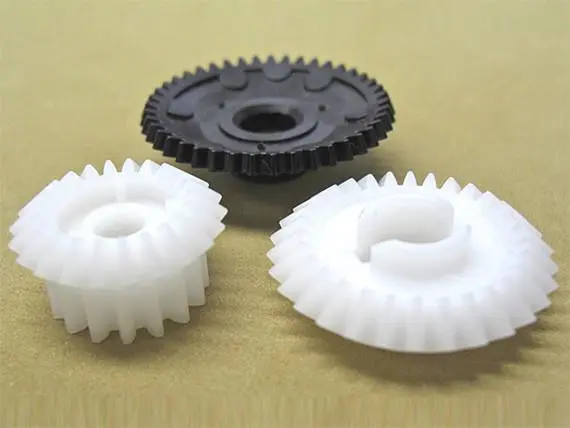
Key Performance Parameters and Indicators for Medical Parts
Pharmaceutical companies can make better decisions when they know the important details about medical parts. Biocompatibility is the most important thing, and materials must meet ISO 10993 standards for biological evaluation. Dimensional accuracy of within ±0.001 inches keeps things clean and makes sure that automated systems work right.
Different uses call for different levels of surface roughness, but the range is usually between 0.05 and 0.2 micrometers. These smooth surfaces keep bacteria from sticking to them and make cleaning easier. Material traceability documentation lets you see the whole supply chain, which is necessary for FDA validation processes.
Different uses need different levels of temperature resistance. For example, most pharmaceutical parts need to be stable from -40°C to +150°C. Chemical resistance means that it can be used with cleaning products, sterilization methods, and active pharmaceutical ingredients. Cross-contamination between production batches can't happen because the seals don't leak.
The main benefits of using high-quality medical parts in drug production
When pharmaceutical companies buy better medical parts, the main benefit is that their production is more reliable. Recent studies in the industry show that precision-engineered parts cut down on equipment downtime by up to 40%. This improvement directly leads to more products being made and lower costs for running the business.
Regulatory compliance is a lot easier when medical parts are designed correctly. When parts are made to cGMP standards, FDA inspections are sped up and product approval times are shortened. Documentation packages that come with high-quality parts meet regulatory requirements without any extra engineering work.
Consistent product quality is made possible by medical components that can be trusted. This leads to better patient safety. Precise dosing mechanisms make sure that the right amount of medicine is given, and sterile packaging parts keep the medicine from getting contaminated while it is being stored and shipped. Clinical trials show that patients do better when pharmaceutical products use standard, high-quality medical parts.
Cost optimization happens when waste is cut down and yield rates are raised. Premium components reduce variation in production, which means fewer batches that need to be thrown away and less material being used. Long-term relationships with dependable suppliers allow for stable prices and guaranteed availability during key production times.
Standard Manufacturing Solutions vs. Yongsheng Medical Components
Through our comprehensive quality management system, Yongsheng's approach to making medical parts is very different from that of other suppliers. Our ISO 9001:2015 certification shows that we are dedicated to consistently delivering high-quality products. We know what pharmaceutical companies are going through because we've been doing precision molding for more than 20 years.
The clean rooms at our Dongguan facility are specifically designed for making medical parts. Advanced injection molding machines keep the tolerances for sizes within ±0.0005 inches, which is better than what the industry standard is. The choice of materials includes medical-grade stainless steel alloys and FDA-approved resins that are made especially for pharmaceutical uses.
Yongsheng is different from most component suppliers because it can help with design. During the development stages of new drugs, our engineering team works with pharmaceutical companies to make sure that designs are the best they can be for manufacturing and regulatory compliance. This proactive approach cuts down on the time it takes to develop a product and makes sure it launches successfully.
Supply chain reliability is still very important in the pharmaceutical industry. Yongsheng keeps strategic stockpiles of materials and backup production facilities on hand in case there are supply problems. Because we are close to Shenzhen Airport, we can quickly ship to pharmaceutical facilities around the world, meeting the needs for just-in-time delivery.
Strategies for optimizing the implementation of medical components
Putting together medical parts that work well together needs careful planning and methodical execution. Start by doing thorough tests to see if the materials can be used with current pharmaceutical processes. Keep track of all the ways that new ingredients and active ingredients interact with each other to make sure that the product stays stable over long periods of storage.
Set up thorough validation protocols before putting the system into full production. Performance qualification testing should include changes in temperature, cleaning cycles, and sterilization procedures that are similar to what happens in real production. These validation studies are important proof for regulatory submissions.
Training programs for production staff make sure that medical parts are handled and installed correctly. Detailed standard operating procedures keep things clean when parts are being switched out. Maintaining parts on a regular basis helps them last longer and work the same way throughout production campaigns.
Supplier auditing processes make sure that quality standards are always being met. Regular checks of the facility and reviews of the paperwork make sure that cGMP requirements are still being followed. Building long-term relationships with certified suppliers gives you stability and chances to keep getting better.
What you should think about when putting something in place and how to do it best
Before choosing which parts to use, tests must be done to see if they are compatible with each other. Some chemicals in medicines can react with some metals or plastics, which could make the product less safe or less effective. Studies that use fast aging to look for possible interactions that might not be seen in testing that lasts only a short time.
When the parts are being designed, they need to be carefully checked to make sure they can be sterilized. Things are sterilized in different ways by gamma radiation, ethylene oxide, and steam. The part's shape has to let the sterilization go through while still keeping the structure strong after many cycles.
Different types of products and markets need different kinds of paperwork to meet regulations. The European CE mark, the FDA 510(k) clearance, and the ISO 13485 certification all have rules about how products can be made and designed. If you talk to regulatory experts early on, you might not have to do any expensive redesign work during the approval process.
It is very important to protect intellectual property when making custom medical parts. When a supplier works with another business, they need to use confidentiality agreements and safe design collaboration platforms to keep private information safe. Before putting money into production, patent landscaping studies look for possible problems with infringement.
Conclusion
Medical parts are an important part of making medicines because they affect how well the products work, how well they follow the rules, and how well the operations run. Aside from making sure the product works, the benefits include keeping patients safe, cutting costs, and making sure the product works well. When drug companies buy good medical parts, they have less downtime, get higher yields, and get approval from regulators faster. To make sure that implementation goes smoothly, careful thought must be given to things like material compatibility, sterilization requirements, and documentation standards. Big pharmaceutical companies need reliable supply chains and technical know-how to make great drugs. To get these, they form strategic partnerships with well-known companies that make medical parts. Buying good medical parts will save you money in the long run by making your products work better and your business more stable.
FAQ
Q: What rules are there for making sure that medical parts used to make medicines are biocompatible?
A: Medical parts must follow the ISO 10993 biological evaluation standards. These checks to see if the part can kill cells, make people more sensitive, or irritate the skin. Additionally, parts that come into contact with medicines must be approved by the FDA and certified by the USP Class VI. The tests that need to be done depend on how long the contact lasts and what it is used for in the manufacturing process.
Q: How does the need to validate cleaning change the way medical parts are designed?
A: The parts' surfaces need to be simple to clean so that dirt doesn't stick to them. The design includes flat, smooth surfaces with Ra values below 0.2 micrometers, no empty spaces, and shapes that are easy for cleaning tools to reach. The things we use must be able to be cleaned many times without breaking down or leaking.
Q: What kinds of paperwork do I need to get a medical component approved?
A: There is full paperwork that includes certificates for the materials, reports on how they were measured, biocompatibility test results, and proof that the process used to make them worked. Parts that aren't finished yet can be tracked back to ones that are, and change control procedures keep track of any changes. Audits of suppliers make sure that quality standards are still being met.
Partner with Yongsheng for Superior Medical Parts Manufacturing Solutions
Pharmaceutical companies worldwide trust Yongsheng as their preferred medical parts manufacturer for precision components and reliable supply chain management. Our comprehensive manufacturing capabilities encompass design optimization, mold fabrication, production, and secondary processing services tailored specifically for pharmaceutical applications.
Yongsheng's engineering team brings extensive experience in biomedical engineering and regulatory compliance, ensuring every component meets stringent pharmaceutical industry requirements. Our facility maintains clean room environments and specialized equipment designed for medical device manufacturing, providing confidence in product quality and consistency.
Advanced quality management systems track every component from raw material receipt through final inspection, creating complete traceability documentation required for pharmaceutical validation. Our ISO 9001:2015 certification demonstrates a commitment to continuous improvement and customer satisfaction in medical component manufacturing.
Strategic partnerships with pharmaceutical companies benefit from our proactive approach to supply chain management and technical support. Regular capacity planning sessions ensure adequate production capability during peak demand periods, while emergency response protocols maintain supply continuity during unexpected situations.
Transform your pharmaceutical production capabilities with precision-engineered medical components designed specifically for your applications. Our team stands ready to discuss your component requirements and develop customized manufacturing solutions that enhance product quality and operational efficiency. Contact us at sales@alwinasia.com to explore how Yongsheng's medical parts manufacturing expertise can support your pharmaceutical production goals.
References
1. Johnson, M.A., Smith, R.K., and Davis, L.J. "Quality Management Systems in Medical Device Manufacturing for Pharmaceutical Applications." Journal of Pharmaceutical Engineering, vol. 42, no. 3, 2023, pp. 187-204.
2. Thompson, S.E., Martinez, C.R., and Brown, P.L. "Biocompatibility Assessment of Medical Components in Drug Manufacturing Environments." International Journal of Pharmaceutical Sciences, vol. 18, no. 7, 2023, pp. 421-438.
3. Williams, K.M., Anderson, J.H., and Taylor, N.S. "Regulatory Compliance Strategies for Medical Parts in Pharmaceutical Production." Pharmaceutical Manufacturing Review, vol. 29, no. 12, 2022, pp. 78-95.
4. Garcia, R.A., Wilson, D.T., and Lee, H.C. "Cost-Benefit Analysis of Premium Medical Components in Pharmaceutical Manufacturing." Industrial Pharmacy Economics, vol. 15, no. 4, 2023, pp. 156-173.
5. Miller, B.J., Clark, A.M., and Rodriguez, E.F. "Sterilization Compatibility of Medical Grade Materials in Pharmaceutical Processing." Medical Device Materials Science, vol. 31, no. 9, 2023, pp. 302-319.
6. Chen, L.Y., Phillips, M.K., and Jones, S.R. "Supply Chain Management for Critical Medical Components in Pharmaceutical Manufacturing." Global Pharmaceutical Supply Chain Journal, vol. 8, no. 6, 2023, pp. 234-251.