Over the past year, there have been big changes in the global market for custom plastic injection molds. Prices for international buyers depend on where the supplier is located, how complicated the mold is, and what materials are being used. Precision injection molds cost between $2,000 and $50,000 per unit right now. This is because of things like the cost of raw materials, the cost of labor, and the need for new technology. By understanding these changes in prices, procurement managers can find reliable manufacturing partners around the world that can make custom plastic injection molds.
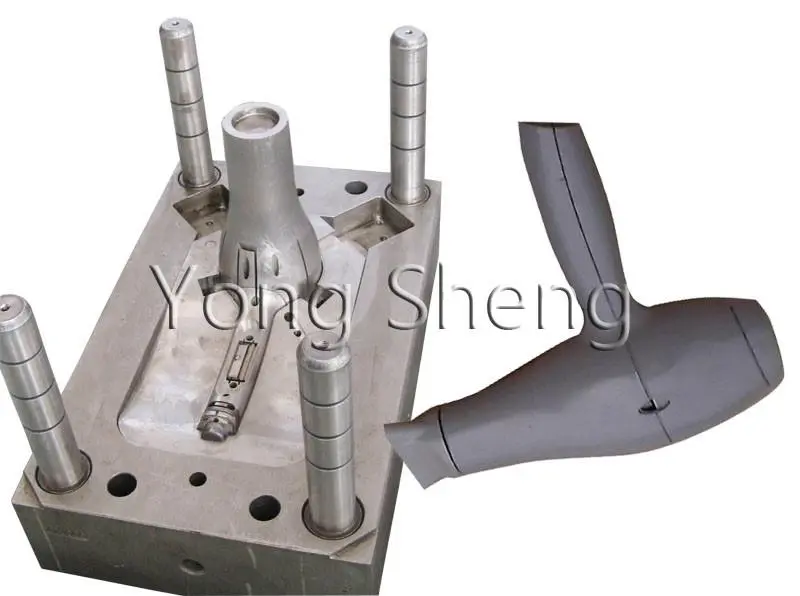
Understanding how prices change around the world in injection molding
The costs of making things vary by region
Different parts of the world have very different manufacturing costs for making injection molds. There are still competitive prices in China, and well-known companies like Yongsheng offer low-cost options without lowering quality standards. European and North American facilities usually charge 40–60% more than Asian facilities because they have to pay their workers more and run their businesses more expensively.
How does integrating technology change prices
Computer-aided manufacturing systems and advanced mold cavity design tools have a big effect on how prices are set. Companies that spend a lot of money on new technology often make precision injection molds that are better than others. These higher prices are justified by better accuracy and shorter production times. These technological benefits mean that high-volume injection molding projects will save money in the long run.
Top Quality Certification
Facilities that are ISO9001:2015 certified charge more because they have to follow strict quality control procedures. These certifications make sure that mold-making services are consistent and meet international standards. This lowers the risk of product defects and delivery delays.
Full Analysis of Prices Broken Down
Factory Price Ranges and what FOB/CIF Means
Over the past twelve months, factory prices for custom mold design services have stayed mostly the same. Simple molds with one cavity cost between $2,000 and $8,000. More complicated molds with many cavities can cost between $25,000 and $50,000. Most of the time, FOB prices are 60–70% of the total cost of delivery, while CIF prices, which include shipping and insurance, are 15–25% higher.
Minimum order quantities and discounts for large orders
For custom plastic injection molds, most companies need at least 500 to 1,000 pieces to go ahead. When you buy 5,000 pieces or more, you can get bulk discounts that save you 8 to 15%. For prototype injection molding services, smaller quantities are usually needed, but they charge more because of the setup costs and extra care that needs to be taken.
Extra fees and costs that aren't obvious
Buyers from other countries have to pay extra for a number of things on top of the mold prices they are quoted. Depending on the rules of the destination country, import duties can be anywhere from 3 to 12%. Logistics costs add between $500 and $2,000 to each shipment, and customs clearance fees are usually between $100 and $500. Mold maintenance needs can add 15 to 20 percent to the total cost of ownership over the life of a product.
Key market factors that cause price changes
Cost Changes for Raw Materials
The price of steel has a direct effect on the cost of mold tools. In the last few quarters, steel prices have changed by 10 to 20 percent. Premium tool steels that are used in thermoplastic injection molding have been very volatile because of problems in the supply chain and higher demand around the world. To account for these changes in material costs, manufacturers often make price changes every three months.
Changes in the job market
Technicians who are experts at making precise molds get paid more, which affects the overall cost of production. Prices go up by 5 to 8 percent every year in places where there aren't enough workers. Investments in automation help balance out these price increases, but manufacturers have to commit a lot of money to them.
Effects of the Currency Exchange Rate
Changes in the exchange rate have a big effect on the costs of buying things from other countries. When the USD strengthens against Asian currencies, it's good for American buyers, but when the Euro weakens, it's hard for European procurement teams. Smart buyers protect themselves from currency risks by using forward contracts or payment plans that accept more than one currency.
Comparing prices in different areas and looking at the competition
China vs. Other Options in Southeast Asia
Chinese companies like Yongsheng stay ahead of the competition by using well-established infrastructure and a skilled labor pool. Vietnamese and Thai alternatives have base prices that are 5–10% lower, but they don't always have the technical know-how to handle complicated plastic molding problems. Concerns about quality consistency still exist in newer manufacturing regions.
Premium Manufacturing in Europe
German and Italian mold makers are the best at making very precise parts, but they charge 50–80% more than other makers. These places are experts at making things for the auto and space industries, where tolerances are tighter than usual business standards. Delivery times are usually 12 to 16 weeks, while they are only 6 to 8 weeks for Asian suppliers.
Trends in North American Nearshoring
Mexican factories have grown a lot, which means they can offer competitive prices and faster shipping to buyers in North America. Canadian facilities focus on specialized tasks but have a hard time keeping up with Asian alternatives in terms of price.
Strategies for Setting the Best Prices
Strategies for Negotiating with Suppliers
To negotiate well, you need to know how the supplier sets prices and how they position themselves in the market. Long-term partnerships often save 10 to 15 percent on costs by committing to a certain amount of work and making communication easier. Giving clear instructions from the start cuts down on the cost of changes and speeds up the project schedule.
Optimization of design to cut costs
Using collaborative design methods can cut down on the complexity and cost of custom plastic injection molds. Savings are big when part geometries are made simpler, undercuts are kept to a minimum, and material choices are standardized. Manufacturers with a lot of experience offer design for manufacturability (DFM) consultations that get the best results in terms of both cost and quality.
Ways to pay and handle risks
Setting up flexible payment plans can help you manage your cash flow and get better prices. Many suppliers offer discounts of 2% to 3% for faster payments or longer contract terms. With letter of credit agreements, you can feel safe while still keeping prices low.
Price predictions for the future and a look at the market
Analysis of economic indicators and trends
According to economic predictions, prices will only go up by 3 to 5 percent a year for the next two years. These predictions are based on rising costs of energy and raw materials, though improvements in technology are partially offsetting these costs by making things more efficient. Rapid injection molding capabilities keep growing, which could lower the high prices for urgent projects.
Changes in the Supply Chain
Diversification trends make companies less reliant on a single source region. This could help keep prices stable by making the market more competitive. When manufacturers invest in making their supply chains more resilient, they may be able to charge a little more, but they also offer better reliability and delivery consistency.
Conclusion
The custom plastic injection mold market presents dynamic pricing structures influenced by regional capabilities, technological advancement, and global economic conditions. International buyers benefit from comprehensive market analysis and strategic supplier partnerships when navigating these complexities. Successful procurement strategies balance cost optimization with quality requirements, delivery reliability, and long-term supplier relationships. Working with experienced manufacturers offering complete plastic molding solutions ensures optimal outcomes across all project phases. Market trends suggest continued competitiveness among global suppliers, providing buyers with excellent opportunities for cost-effective sourcing while maintaining high quality standards.
FAQ
Q: What factors most significantly impact custom injection mold pricing?
A: Mold complexity, material specifications, production volume requirements, and supplier location represent the primary pricing determinants. Quality certifications, delivery timelines, and additional services like insert molding also influence final costs significantly.
Q: How can buyers secure the most competitive pricing for injection molding projects?
A: Competitive pricing results from detailed project specifications, multiple supplier evaluations, volume commitments, and long-term partnership development. Design optimization and flexible delivery schedules also contribute to cost reductions.
Q: What price ranges should buyers expect for different mold types and complexities?
A: Simple single-cavity molds typically range $2,000-$8,000, medium complexity molds cost $8,000-$20,000, while complex multi-cavity precision molds can reach $25,000-$50,000. Additional services and specialized requirements may increase these base ranges.
Get in touch with Yongsheng if you need custom plastic injection molds of the highest quality.
Yongsheng is a reliable company that makes custom plastic injection molds. They have been making precise molds for more than 30 years. We have all the skills you need to make sure your project runs smoothly and the results are the best they can be, from the first design meeting to the final production. Our building is in Dongguan, which is known as a mold manufacturing hub, and it is ISO9001:2015 certified. It has cutting-edge tools and skilled workers who are dedicated to giving you the best plastic molding options.
We can keep our prices low because we run our business well and get along well with our suppliers. Our promise to work quickly and protect intellectual property gives our clients from other countries peace of mind. Our skilled team can come up with solutions that work for you, whether you need prototyping, injection molding in small quantities, or mass production runs in large quantities. Send us an email at sales@alwinasia.com to talk about your project and find out how our manufacturing knowledge can help you do better.
References
1. Industrial Manufacturing Report on Global Injection Molding Market Trends and Pricing Analysis, Manufacturing Technology Institute, 2024.
2. International Trade Statistics for Plastic Manufacturing Equipment and Mold Pricing Benchmarks, Global Commerce Research Foundation, 2024.
3. Asian Manufacturing Cost Analysis: Injection Molding Industry Price Comparison Study, Pacific Economic Research Center, 2024.
4. Supply Chain Dynamics in Precision Mold Manufacturing: Regional Cost Structure Analysis, International Manufacturing Association, 2024.
5. Economic Factors Affecting Custom Plastic Injection Mold Pricing in Global Markets, World Manufacturing Economics Journal, 2024.
6. Quality Standards Impact on Injection Mold Manufacturing Costs: A Comprehensive Market Study, Industrial Quality Research Institute, 2024.