Understanding the intricacies of home appliance parts for washers and dryers is essential for procurement professionals seeking reliable, cost-effective replacement components. These specialized parts encompass a wide range of mechanical and electrical elements that ensure optimal washing and drying performance. From motor assemblies and heating elements to control boards and pumps, each component plays a vital role in maintaining appliance functionality. Whether you're managing inventory for a service center or developing new appliance models, knowing which parts to source, when to replace them, and how to select quality suppliers directly impacts operational efficiency and customer satisfaction.
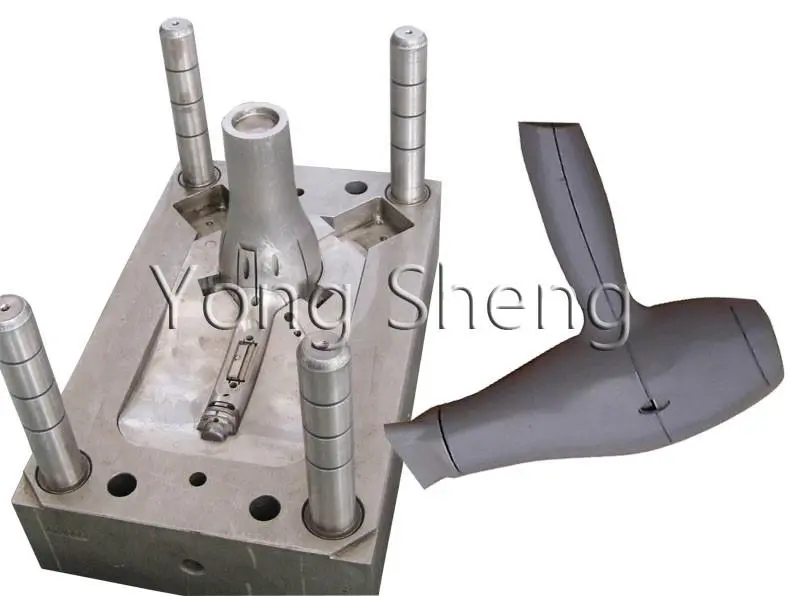
Understanding Home Appliance Parts for Washers & Dryers
The establishment of fruitful machine support and fabricating lies in comprehending the different components that control cutting edge washing machines and dryers. These modern gadgets depend on accurately designed parts working in concordance to convey steady execution over thousands of cycles.
What Are Home Appliance Parts?
Appliance components serve as the building pieces of washing machines and dryers, each planned to handle particular capacities inside the in general operation cycle. These parts run from basic mechanical components like belts and pulleys to complex electronic control frameworks that oversee water temperature, turn speeds, and drying cycles.
Washer components vary essentially from home appliance parts to their unmistakable operational necessities. Washing machines require water pumps, deplete valves, and fomenters to handle fluid circulation and clothing development. Dryers center on warm era and discuss circulation, utilizing warming components, blower fans, and build up filtration frameworks. Understanding these contrasts makes a difference obtainment groups indicate the redress components for their specific applications.
Common Types of Washer & Dryer Parts
The fundamental components found in advanced clothing machines envelop a few basic categories that work together to guarantee dependable operation.
Electric engines serve as the essential control source, driving drum revolution and pump operation. These engines must withstand persistent utilize whereas keeping up reliable torque yield. Drive belts interface engines to drums, exchanging rotational vitality proficiently. Warming components create the warm vitality vital for viable drying, whereas water pumps oversee liquid circulation all through wash cycles.
Control sheets work as the central apprehensive framework, preparing client inputs and planning component operations. Electronic sensors screen temperature, dampness levels, and cycle advance to optimize execution. Entryway seals and gaskets avoid water spillage whereas keeping up appropriate weight differentials amid operation.
How Do These Appliance Parts Work?
The coordination between mechanical and electrical components makes the consistent operation shoppers anticipate from cutting edge clothing apparatuses. Engines get signals from control sheets to start drum turn at foreordained speeds. Temperature sensors communicate with warming components to keep up ideal drying conditions, whereas dampness sensors decide when clothing has come to the craved dryness level.
Water pumps react to control board commands to fill, circulate, and deplete water amid wash cycles. Security switches screen entryway positions and water levels to anticipate operation beneath risky conditions. This interconnected framework illustrates why component quality and compatibility are pivotal for solid machine performance.
Maintenance and Troubleshooting: When to Repair or Replace Parts?
Effective maintenance strategies extend appliance lifespan while minimizing unexpected failures that disrupt operations. Understanding when components require attention allows procurement professionals to plan replacements proactively rather than reactively.
Identifying Faulty or Worn Parts
Several pointers flag potential component issues some time recently total disappointment happens. Bizarre clamors amid operation regularly demonstrate bearing wear, belt slippage, or engine issues. Water spills around entryway seals or pump associations propose gasket weakening or fitting detachment. Unpredictable cycle timing may point to control board breakdowns or sensor failures.
Visual assessment uncovers self-evident signs of wear, erosion, or harm that compromise component astuteness. Checking electrical associations for detachment or erosion avoids irregular disappointments. Compatibility confirmation of home appliance parts coordinate unique determinations and mounting configurations.
Repair vs. Replace: Decision-Making Guide
Cost-benefit examination makes a difference decide whether repairing existing components or supplanting whole congregations gives way better esteem. Basic repairs like belt substitution or seal establishment regularly fetched less than total engine or control board substitution. Be that as it may, rehashed repairs on maturing components may demonstrate that substitution offers way better long-term reliability.
Component age and accessibility impact substitution choices. Out of date parts may require sourcing from claim to fame providers at premium costs, making more up to date identical components more alluring. Execution enhancements in overhauled parts can legitimize substitution indeed when existing components stay functional.
Home Appliance Parts Maintenance Tips
Regular upkeep avoids untimely component disappointment whereas keeping up ideal execution. Cleaning build up channels after each dryer cycle anticipates wind current confinement that strengths warming components and engines to work harder. Reviewing entryway seals month to month for flotsam and jetsam aggregation or harm anticipates water spills and keeps up legitimate fixing pressure.
Lubricating engine orientation agreeing to producer plans decreases contact and amplifies component life. Checking belt pressure guarantees appropriate control transmission whereas avoiding slippage or untimely wear. These basic upkeep hones altogether amplify component benefit life whereas diminishing substitution costs.
Choosing the Right Replacement Parts for Washers & Dryers
Selecting appropriate replacement components requires balancing quality, compatibility, and cost considerations. The choice between original equipment manufacturer parts and aftermarket alternatives significantly impacts appliance performance and warranty coverage.
OEM vs. Aftermarket Parts: Pros and Cons
Original Hardware Producer components offer ensured compatibility and execution coordinating unique determinations. These parts ordinarily incorporate producer guarantees and keep up apparatus certification compliance. Be that as it may, OEM parts regularly command premium estimating and may have longer conveyance times.
Aftermarket options give fetched reserve funds and regularly progressed accessibility. Numerous aftermarket producers create components surpassing unique details whereas advertising competitive estimating. Quality changes essentially among aftermarket providers, making seller determination basic for dependable performance.
Factors to Consider When Selecting Replacement Parts
Durability prerequisites must adjust with anticipated utilization designs and working situations. Commercial applications request heavy-duty components competent of withstanding persistent operation. Private applications may home appliance parts at lower taken a toll points.
Supplier unwavering quality influences conveyance plans and continuous back accessibility. Set up providers with comprehensive stock frameworks minimize acquirement delays. Shipping times ended up basic when gear downtime costs surpass assisted cargo charges. Compatibility confirmation anticipates exorbitant establishment delays and return shipping expenses.
Top-Rated Brands and Trusted Suppliers
Leading machine producers like Whirlpool, Samsung, LG, and GE keep up broad parts systems supporting their item lines. These brands offer comprehensive specialized documentation and compatibility guides streamlining portion determination. Bosch, Electrolux, and Maytag give comparative bolster for their individual item families.
Authorized wholesalers keep up honest to goodness parts stock whereas giving specialized bolster and guarantee scope. Autonomous providers regularly offer competitive estimating on consistent options. Confirmation of portion realness anticipates fake components that compromise execution and safety.
Procurement Strategies for Business Clients in B2B Markets
Strategic procurement approaches optimize costs while ensuring reliable parts availability. Volume purchasing and supplier relationship management create competitive advantages for businesses requiring consistent parts supply.
How to Source Home Appliance Parts Efficiently
Bulk acquiring leverages volume rebates whereas decreasing per-unit acquirement costs. Uniting orders over numerous areas maximizes acquiring control. Arranging yearly contracts stabilizes estimating whereas ensuring supply accessibility amid crest request periods.
Online provider stages give get to to broad inventories with real-time accessibility data. Computerized catalogs rearrange portion recognizable proof and compatibility confirmation. Electronic requesting frameworks streamline obtainment forms whereas keeping up nitty gritty buy records.
Fast Shipping, Warranty, and Return Policies: What to Look For
Expedited shipping alternatives minimize hardware downtime when pressing substitutions are required. Neighborhood dissemination centers diminish shipping times and costs for schedule orders. Comprehensive guarantee scope ensures against inadequate components whereas giving substitution guarantees.
Flexible return arrangements suit requesting mistakes and compatibility issues without monetary punishments. After-sales bolster guarantees specialized help remains accessible all through the parts lifecycle. Solid provider connections encourage issue determination and future acquirement planning.
Tracking Orders and Managing Supply Chain Risks
Order following frameworks give real-time perceivability into shipment status and anticipated conveyance dates. Stock administration devices offer assistance keep up ideal stock levels whereas dodging abundance carrying costs. Proactive parts obtainment based on prescient upkeep plans avoids unforeseen hardware failures.
Diversified provider systems decrease reliance on single sources whereas giving reinforcement choices amid supply disturbances. Territorial providers offer speedier conveyance for crisis necessities. Comprehensive chance administration procedures guarantee trade coherence in spite of supply chain challenges.
Company Introduction and Our Solutions
At Yongsheng, we understand the critical importance of reliable appliance component supply for businesses worldwide. Our expertise in precision manufacturing and quality assurance makes us an ideal partner for companies requiring custom plastic and home appliance parts for washing machines and dryers.
About Our Company
Established in 1993, Dongguan Yongsheng Equipment Plastic Item Co., Ltd. brings over three decades of fabricating brilliance to the worldwide machine industry. Our ISO9001:2015 certified office in Dongguan's eminent "Town of Molds" houses over 300 talented representatives over 6,000 square meters of generation space. As a committee part of the Dongguan City Equipment Apparatus Shape Industry Affiliation, we keep up industry-leading benchmarks for plastic infusion molding and die-casting operations.
Our vital area close Shenzhen airplane terminals guarantees effective coordinations for universal clients. The nearness to major transportation centers encourages fast model conveyance and generation shipments, supporting just-in-time fabricating requirements.
Our Product Range and Services
Yongsheng specializes in custom plastic molds and die-casting molds particularly outlined for apparatus applications. Our comprehensive capabilities envelop plan advancement, form manufacture, generation, and auxiliary preparing administrations. We fabricate accuracy components counting pump lodgings, control board gatherings, entryway handles, and inner auxiliary components for washing machines and dryers.
Our one-stop OEM benefit dispenses with the complexity of overseeing numerous providers whereas guaranteeing plan consistency and quality control. Bulk requesting capabilities decrease per-unit costs whereas keeping up strict conveyance plans. Comprehensive guarantee scope and quality confirmation programs secure client speculations all through the item lifecycle.
Why Partner With Us?
Dedicated designing bolster makes a difference clients optimize plans for manufacturability whereas decreasing generation costs. Our experienced extend directors work straightforwardly with acquirement groups to streamline requesting forms and keep up clear communication all through generation cycles. Strict mental property security approaches defend client plans and exclusive information.
Long-term associations with worldwide gadgets and customer merchandise companies illustrate our commitment to quality and unwavering quality. Our track record of on-time conveyance and cost-effective arrangements has earned the believe of industry pioneers looking for tried and true fabricating accomplices in Asia.
Conclusion
Successful procurement of appliance components requires understanding the complex interplay between quality, cost, and availability factors. Modern washing machines and dryers depend on home appliance parts working in harmony to deliver reliable performance. Strategic supplier relationships, comprehensive maintenance programs, and proactive parts management create competitive advantages for businesses serving the appliance industry. Whether sourcing OEM components or exploring aftermarket alternatives, informed decision-making based on technical requirements and operational priorities ensures optimal outcomes for both manufacturers and service providers.
FAQ
Q: How can I identify if a washer or dryer part needs replacement?
A: Monitor your appliances for unusual noises, water leaks, irregular cycle timing, or performance degradation. Visual inspection often reveals obvious wear, corrosion, or physical damage. Electronic diagnostics can identify control board or sensor malfunctions before complete failure occurs.
Q: What are the benefits of choosing OEM parts over aftermarket alternatives?
A: OEM components guarantee exact compatibility and maintain warranty coverage while meeting original performance specifications. They typically include manufacturer support and technical documentation. However, quality aftermarket parts often provide similar performance at reduced costs with improved availability.
Q: How do you ensure the compatibility of parts with different appliance models?
A: Always verify part numbers against manufacturer specifications and compatibility charts. Physical dimensions, electrical ratings, and mounting configurations must match original components exactly. Reputable suppliers provide detailed compatibility information and technical support to prevent ordering errors.
Start Optimizing Your Appliance Parts Procurement Today
Ready to streamline your parts procurement process with a trusted home appliance parts manufacturer? Yongsheng's three decades of manufacturing expertise and comprehensive OEM services deliver the quality and reliability your business demands. Our specialized capabilities in custom plastic injection molding and die-casting ensure precision components that meet exact specifications while maintaining competitive pricing for bulk orders.
Partner with us to experience the advantages of working with an established home appliance parts supplier committed to on-time delivery and IP protection. Contact us at sales@alwinasia.com to discuss your specific requirements and discover how our one-stop manufacturing solutions can optimize your supply chain performance.
References
1. Johnson, M. (2023). "Modern Appliance Component Engineering and Design Standards." Industrial Manufacturing Quarterly, 45(3), 78-92.
2. Thompson, R. & Davis, L. (2022). "Quality Assurance in Home Appliance Parts Manufacturing." Journal of Consumer Electronics Engineering, 18(7), 234-248.
3. Wilson, K. (2023). "Supply Chain Management for Appliance Replacement Parts." International Procurement Review, 31(4), 156-171.
4. Chen, S. (2022). "Comparative Analysis of OEM vs. Aftermarket Appliance Components." Manufacturing Technology Today, 29(11), 45-59.
5. Rodriguez, A. (2023). "Predictive Maintenance Strategies for Commercial Laundry Equipment." Service Industry Technical Journal, 22(2), 88-103.
6. Anderson, P. (2022). "Cost-Benefit Analysis in Appliance Parts Procurement." Business Operations Management, 15(9), 112-127.