Sustainable Automotive Parts from Recycled Materials
Materials that are recycled to make sustainable automotic parts are a huge step forward in how cars are made and maintained today. These parts use recycled metals, plastics that have been used for something else, and hybrid materials to make high-performance products that meet both environmental standards and practical needs. As global rules get stricter and customer knowledge rises, buying managers are looking for car parts that are both cost-effective and good for the environment. Recycled parts are now used in important ways in structural pieces, engine systems, internal fittings, and electrical networks. This shows that quality and sustainability can work together in the car industry.
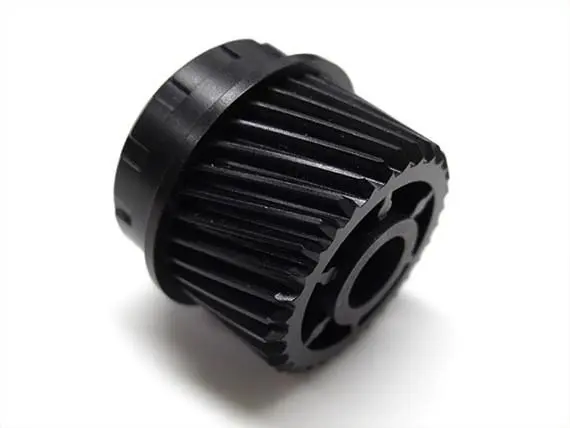
Understanding Sustainable Automotive Parts
Defining Sustainability in Automotive Manufacturing
Tougher rules for the environment and changing customer tastes have caused a huge change in the car business toward more environmentally friendly methods. This change is shown by sustainable car parts that use recovered materials without lowering safety or performance standards. Manufacturers now use advanced processing methods to turn recycled materials into parts that are just as durable and useful as parts made from new materials. This change shows a bigger effort to lessen the damage we do to the earth while still meeting the high-quality standards needed for car use.
Common Recycled Materials in Automotive Components
Several types of recycled materials are used in modern, environmentally friendly car-making. Each type of recycled material has its own benefits for certain uses. Metals that have been used before, especially aluminum and steel, go through strict cleaning processes that bring back their strength and resistance to rust. When strength-to-weight ratios are important, these materials are often used in frame parts, engine blocks, and suspension parts. Plastics that have been recycled from consumer and industrial trash are used a lot in dashboard parts, under-hood covers, and internal trim panels. Advanced composite materials combine recycled fibers with polymer structures to make parts that are both strong and lightweight, like body panels and aerodynamic parts. These materials are put together according to set procedures that guarantee stability and dependability. Some quality control measures are spectrographic analysis to check the make-up of the material, tensile tests to check its mechanical properties, and outdoor exposure trials to check how well it will work in the long run. With these confirmation steps, buying professionals can be sure that recovered car parts will work just as well as new ones over the course of their useful lives.
Quality Standards and Safety Certifications
The making and use of salvaged car parts are regulated by international safety standards that set clear standards for performance and dependability. ISO (International Organization for Standardization) and SAE (Society of Automotive Engineers) are two groups that have created thorough testing procedures for recycled materials. These standards check things like dimensional accuracy, thermal stability, impact resistance, and chemical compatibility to make sure that recycled parts meet or beat the standards for new parts. Companies that make recycled auto parts usually keep quality management system certifications like ISO 9001:2015, which shows they are committed to high production standards. More standards, like IATF 16949, focus on car quality management in particular, giving buying teams more confidence when they are looking at prospective sources. These qualifications show that the company uses organized methods for process control, tracking, and ongoing growth that meet the needs of car makers around the world.
Benefits and Challenges of Using Recycled Automotive Parts
Environmental and Economic Advantages
Reusing automotic parts has measured environmental benefits that go beyond the needs of a single company and help achieve larger sustainability goals. Making parts from recycled materials usually takes a lot less energy than making parts from new materials. This means that recycled materials leave less of an impact on the earth. Recycling keeps things out of landfills and lessens our reliance on extracting limited natural resources, which is another important benefit. When it comes to the economy, recycled auto parts offer strong cost advantages that appeal to procurement teams that are trying to cut costs. Recycled materials often have lower material costs than new ones, which means that the prices of final parts are more competitive. More importantly, these savings are especially important when buying a lot of things, because even small cuts in the cost per unit add up to big yearly budget gains. Cost savings for companies that use salvaged parts programs can be anywhere from 15% to 30%, based on the type of part and the amount bought.
Performance Considerations and Real-World Applications
As manufacturing methods have improved, worries about whether recovered and non-recycled car parts will perform the same have decreased. Modern processing methods bring recovered materials back to levels of quality that are the same as or better than those of new materials in many situations. Case studies from major automakers show that recycled parts can be used in a variety of vehicle platforms without affecting reliability or customer satisfaction. For example, a well-known European automaker recently wrote about a three-year trial that used recycled plastic parts in the interior assemblies of 200,000 vehicles. The rates of warranty claims for these recovered parts were statistically the same as for regular parts, and there was no discernible change in the levels of customer happiness. In the same way, a North American company that makes industrial vehicles used recovered metal in structural parts to meet weight reduction goals while keeping crash test scores the same. These examples from real life show that recycled car parts can work in tough production settings.
Addressing Quality Variability and Compatibility Challenges
Even though there have been big steps forward, buying teams still need to be aware of the problems that could arise when they try to find recycled car parts. When recycled materials aren't always the same, quality can vary, which could affect limits for size or the material's features. Reliable suppliers lower this risk by carefully inspecting incoming materials, testing batches, and using statistical process control to find and fix variations before they affect finished products. When adding recycled parts to existing vehicle platforms or production lines, compatibility issues should be carefully thought through. Different types of materials or ways of making them could change how they are put together, how they are fastened, or how they interact. A full engineering review, prototype testing, and validation in real-world working situations are all necessary for implementation to go well. Partnering with experienced makers that offer full technical support and application engineering help during the evaluation and merging process can help procurement professionals lower the risks of compatibility issues.
How to Choose Sustainable Automotive Parts for Your Fleet or Manufacturing Line
Defining Operational Requirements
The best way to choose recycled car parts is to be clear about what you need them for and how well you expect them to work. For example, procurement managers need to think about the item's intended use, how it will be exposed to the environment, how long it is expected to last, and how easy it is to maintain. In OEM production, standards are usually tighter and proof is more thorough than in secondary uses. This affects the choice of materials and the criteria used to qualify suppliers. Knowing these standards ahead of time makes it easier to evaluate suppliers and lowers the risk of expensive design mismatches.
Essential Selection Criteria
When deciding which recycled auto parts to buy, you should carefully consider a number of important factors. Material quality is what makes a component work, and you can prove it with certifications, test records, and paperwork that shows where the materials came from. To help with engineering review and certification, suppliers should give detailed material data sheets that list the components, their mechanical properties, and how they were processed in the past. Certification credentials are a great way to see how capable a seller is and how committed they are to quality standards. Look for companies that have the right ISO certifications, quality system approvals for cars, and environmental management qualifications. These certifications show organized ways of managing processes and always making things better, which lowers the risk of buying something and helps a partnership last for a long time. Evaluating a supplier's credibility includes more than just certifications; it also looks at things like operational stability, technical skills, and how quickly they respond to customer service requests. Looking at a possible supplier's production capacity, the level of sophistication of their equipment, and their quality infrastructure can help you figure out if they can meet your needs while keeping quality standards high. Customers who have used a supplier's services before can give you useful information about how well they work, communicate, and solve problems in the real world.
Matching Components to Vehicle Applications
Different types of vehicles have different needs that affect what kinds of automotic parts can be used and how well they should work. Comfort, good looks, and gas mileage are all important in passenger cars. This means that recycled plastics can be used in the interior and lightweight recycled metals can be used in the structure. For commercial vehicles, durability and total cost of ownership are important. This makes recycled parts appealing because lifecycle costs favor sustainable options even if they may cost more at first. For specialty vehicles and off-road applications, environmental resistance, vibration tolerance, and serviceability in remote locations are also important. The procurement teams need to check to see if recovered parts can handle these tough conditions and still work reliably after longer repair intervals. Manufacturers with a lot of experience can give procurement professionals application-specific advice based on past applications and testing data. This helps them make smart choices that meet their business needs.
Leading Brands and Suppliers of Sustainable Automotive Parts
Market Leaders in Sustainable Components
A number of well-known car suppliers have become stars in the development and production of environmentally friendly recycled parts. Bosch has put a lot of money into technologies that use recovered materials. They make refurbished alternators, starters, and computer control units that work just like the originals and have a lot of recycled content. Denso has a lot of experience with thermal management and powertrain components. They make radiators and air conditioning parts out of recycled aluminum and plastics and offer a global service network. This gives procurement teams peace of mind about long-term support and parts availability. Their manufacturing methods use closed-loop recycling systems that collect production trash and use it to make new parts. This makes the best use of materials and reduces waste. Valeo mainly makes electrical systems and lighting kits. They use recovered metals and plastics in their goods for both OEM and aftermarket customers. ACDelco has a lot of recycled and refurbished parts for engines, brakes, and frames. These parts are backed by General Motors' engineering approval and testing procedures.
Evaluating OEM Versus Aftermarket Options
When making a purchase choice, people often have to choose between OEM-supplied recycled parts and aftermarket options. Each has its own benefits that depend on the needs of the application and the budget. OEM parts usually go through a lot of proof testing as part of car development programs. This gives you a lot of trust in how well they fit and work together. Warranty terms for OEM parts usually match those of the vehicle manufacturer, with longer coverage periods and full claim support networks. Aftermarket suppliers often offer cost savings of 20% to 40% compared to OEM options, which makes them a good choice for fleet maintenance and older vehicle platforms. There is a wide range of quality levels among service providers, which is why evaluating suppliers is so important. Reputable aftermarket companies have strict quality control procedures and offer performance promises to show that they believe in their products. To figure out if extra choices offer good value for their specific uses, procurement teams should ask for proof of data, licenses, and reference accounts.
Optimizing Supplier Partnerships
Building good ties with suppliers improves buying results in ways that go beyond simple transactions. Strategic relationships with companies that make recycled car parts give you access to technical knowledge, help with application engineering, and custom solutions that solve your specific business problems. When you buy in bulk, you can usually get volume-based price breaks, more shipping choices, and priority handling when supplies are low. Setting up favorite source deals makes things more stable for everyone, which helps with planning production and making the best use of supplies while also getting good business terms.
Streamlining the Procurement Process for Recycled Automotive Parts
Leveraging Digital Procurement Platforms
These days, buying teams use online platforms and digital markets more and more to find global providers of recycled car parts. These platforms bring together products from many different makers, making it easier to compare prices, look over specifications, and make sure that suppliers are legitimate by using unified interfaces. Reliable business-to-business (B2B) sites offer checked lists of suppliers, customer reviews, and safety features for transactions that lower the risk of buying from new partners. Digital tools also make it easier to communicate, handle quotes, and keep track of orders, which speeds up routine tasks and lowers the time it takes to buy something.
Logistics and Supply Chain Optimization
When buying recycled auto parts from other countries, you need to be very careful about how you plan your processes and coordinate your shipments. When buying from foreign makers, managing lead times becomes even more important because you need to be able to accurately predict demand and place your goods strategically. To keep track of the fulfillment process, procurement teams should set up clear ways to talk to suppliers about production schedules, quality holds, and shipment milestones. Strategies for optimizing transportation can have a big effect on total landed costs and delivery reliability. If you combine orders to get full container loads, you can usually save money on freight costs per unit and get more accurate travel times than with less-than-container-load choices. Working with freight forwarders who know how to handle car parts makes sure that the right packing, handling, and paperwork are done for foreign moves. Real-time tracking of shipments lets you handle problems before they happen and plan your arrival more accurately.
Payment Terms and Risk Mitigation
When looking for providers of recycled automotic parts, it's important to think about how flexible the payment terms are and how safe the transactions are. Letters of credit protect both buyers and sellers in foreign trade by guaranteeing payment upon delivery of goods that meet the buyer's requirements and giving producers the confidence to assign production capacity. Many well-known suppliers offer net payment terms to qualified customers who have shown they can be trusted with their money. This helps with managing cash flow and cuts down on the fees that come with letters of credit. Before starting a procurement relationship, it's important to be clear about return policies and quality dispute resolution procedures. Knowing how to deal with parts that don't meet standards, guarantee claims, and performance problems makes things go more smoothly when problems happen and helps them be fixed faster. Value-added services like kitting, scheduling, and vendor-managed inventory programs can make operations even more efficient by giving suppliers with specific skills more organizational tasks to do.
Company Introduction and Sustainable Product Portfolio
Yongsheng's Heritage in Precision Manufacturing
Dongguan Yongsheng Hardware Plastic Product Co., Ltd. does business around the world through Alwin Asia Limited. They have more than 30 years of experience making unique molds and precise parts. We started in 1993 in Dongguan's famous mold-making area and now offer a wide range of services, including plastic injection molding, die-casting, and combined production. Our ISO 9001:2015 certification shows that we use structured quality management methods to make sure that all of our work meets international standards for the car industry. Our team of over 300 trained workers runs the advanced CNC machining centers, EDM equipment, and precise casting tools in the 6,000-square-meter production building.
Sustainable Automotive Component Capabilities
We've improved our technical skills to meet the growing need for environmentally friendly car parts made from recycled materials. Our engineering team works with clients to make sure that part designs are as recyclable as possible while still meeting standards for structural performance and aesthetics. We only use approved recovered metals and plastics, and we have strict rules for checking new materials to make sure that the quality is consistent and that the materials can be tracked throughout the production process. Our one-stop OEM service model includes design consultation, mold fabrication, production, and secondary operations like painting, assembly, and quality inspection that are customized to meet the needs of each client. Our portfolio includes a wide range of automotive applications, such as electrical enclosures, under-hood covers, interior trim parts, and structural brackets. We follow strict rules to protect intellectual property because we know that unique designs and innovations created through our client relationships can be very useful in the market. Some of the steps used for quality assurance are checking the dimensions, trying the mechanical properties, and making sure that the external longevity of final parts meets or exceeds the requirements set by the specifications.
Client Success and Global Service
We have long-term relationships with buying teams in North America, Europe, and Asia, and we help them switch to more environmentally friendly ways of getting parts. Our clients like how quickly we answer complex questions, how flexible we are with design changes, and how committed we are to delivering on time. Our building is only 20 minutes from Shenzhen Airport and 50 minutes from the border to Hong Kong. This makes it easy for clients to visit, try out molds, and do production checks. During their buying reviews, procurement workers are free to visit our facilities, meet our expert team, and look at our services.
Conclusion
Automotive parts made from recycled, sustainable materials that are sustainable are a realistic way for buying teams to meet their environmental goals while keeping costs low and functionality high. The business has grown a lot, with tested methods, well-known quality standards, and suppliers with a lot of experience who can meet a wide range of application needs. For adoption to go well, suppliers must be carefully chosen, performance must be thoroughly checked, and strategic partnerships must be built that are in line with long-term environmental goals. Businesses that use salvaged car parts will be in a better situation as rules get stricter and stakeholders' standards keep rising toward more environmental responsibility.
FAQ
How do recycled automotive parts compare to new components in terms of reliability?
Recycled automotive parts manufactured by reputable suppliers undergo quality control processes comparable to virgin material components, including material verification, dimensional inspection, and performance testing. Modern recycling technologies restore material properties to specifications matching or exceeding original equipment standards. Independent studies and real-world fleet implementations demonstrate that properly manufactured recycled parts deliver equivalent reliability and service life compared to conventional alternatives. Procurement teams should verify supplier certifications and request validation data to confirm that specific recycled components meet application requirements.
What cost savings can B2B buyers expect when purchasing recycled automotive parts in bulk?
Bulk procurement of recycled automotive components typically generates cost advantages through multiple mechanisms. Material cost reductions for recycled inputs generally range from 15% to 30% compared to virgin materials, depending on commodity pricing fluctuations and component complexity. Volume-based pricing discounts further enhance savings, with buyers negotiating favorable terms based on annual consumption commitments. Consolidated shipping arrangements reduce per-unit freight costs, while streamlined administrative processes lower transaction expenses. Total cost savings vary by component category and procurement volume, but many organizations report overall reductions of 20% to 35% compared to conventional sourcing approaches.
What maintenance practices maximize the lifespan of recycled automotive components?
Recycled automotive parts benefit from the same maintenance practices recommended for conventional components. Regular inspection intervals help identify wear patterns or developing issues before they progress to failure. Following manufacturer-specified service procedures, using compatible lubricants and cleaning agents, and avoiding exposure to extreme conditions beyond design parameters all contribute to extended component life. Procurement teams should ensure that maintenance personnel receive appropriate training on any unique characteristics of recycled parts and have access to technical support resources from suppliers when questions arise.
Partner with Yongsheng for Sustainable Automotive Parts Manufacturing
Yongsheng offers comprehensive custom manufacturing solutions for automotive parts incorporating recycled materials, combining three decades of mold-making expertise with modern sustainability practices. Our ISO-certified facility delivers precision components meeting stringent quality standards while supporting your environmental objectives. We provide complete OEM services from design optimization through production and finishing, ensuring cost-effective outcomes with reliable on-time delivery. Contact our team at sales@alwinasia.com to discuss your specific requirements, request samples, or explore how our capabilities align with your sustainable procurement goals as a trusted automotive parts supplier.
References
1. International Organization for Standardization, "Quality Management Systems for Automotive Production and Relevant Service Parts Organizations," ISO/TS 16949:2016 Technical Specification, Geneva, Switzerland.
2. Society of Automotive Engineers, "Categorization and Properties of Recycled Polymers Intended for Automotive Applications," SAE J1344 Standard, Warrendale, Pennsylvania.
3. European Automobile Manufacturers Association, "Sustainability Report: Circular Economy and Resource Efficiency in the Automotive Sector," Brussels, Belgium, 2022.
4. United States Environmental Protection Agency, "Comprehensive Procurement Guidelines for Automotive Products Containing Recycled Materials," Federal Register Documentation, Washington, DC.
5. Automotive Industry Action Group, "Guidelines for Implementation of Recycled Materials in Production Components," Quality Standards Publication, Southfield, Michigan, 2021.
6. International Council on Clean Transportation, "Life Cycle Assessment of Recycled Materials in Vehicle Manufacturing," Research Report Series on Sustainable Transportation, Berlin, Germany, 2023.

We can provide a one-stop service, including design and development, mold fabrication, production, product processing, etc.

Professional injection mold, die casting mold, plastic products OEM manufacturer


