Reliable Automotive Parts for Global Supply Chain Solutions
When there are problems in global supply lines, it often only takes reliable automotic parts to make the difference between success and costly downtime. These parts are the most important parts of making and maintaining vehicles around the world. They connect purchasing managers with production partners who know how important it is to find the right mix between quality, cost, and delivery time. At Yongsheng, we've spent more than 30 years improving how we make custom molds and precise parts. We make sure that every car part we make meets international standards and can handle the complicated shipping needs of today's supply lines. We're not just committed to making parts; we also offer full OEM services that turn design ideas into production-ready solutions for companies in the hardware, consumer goods, car, and electronics industries that are looking for reliable manufacturing partners.
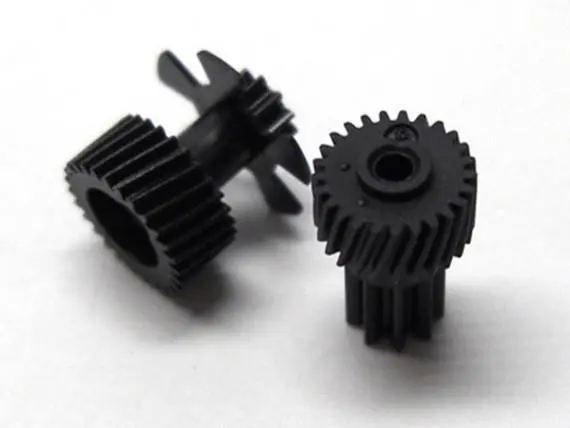
Understanding Reliable Automotive Parts in the Global Supply Chain
The car business depends on a complex web of parts that work together without any problems. Every part of a car, from the engine blocks to the control systems, is important for its speed, safety, and life. It's especially important to understand this environment when you're in charge of global sourcing, because the trustworthiness of parts has a direct effect on production plans and the consistency of operations.
Critical Component Categories and Their Functions
There are a few main groups that procurement workers need to carefully handle when buying automotive parts. Some of the parts that make up the engine and gearbox are the cylinder heads, crankshafts, transmission housings, and differential gears. To make sure these parts work right even when they're under a lot of stress or heat, they need to be manufactured with very tight tolerances, often within micrometers. Control arms, ball joints, and steering racks are all parts of suspension and steering systems that need to be strong and fit perfectly. Electrical parts include sensor housings and link kits that keep sensitive electronics safe from the outside world. At Yongsheng, we've learned that knowing these functional needs is the first step to making good parts. Since 1993, we've been working with car suppliers and have become experts at making custom plastic molds and die-casting models that are perfect for these tough jobs. Our ISO 9001:2015 approval shows that we are dedicated to keeping the same high-quality standards for all of our parts.
Supply Chain Impact on Manufacturing Efficiency
Reliable component buying has a direct effect on measures of how efficiently a product is made. Production lines keep going as planned when parts come in on time and meet the requirements without needing to be fixed. On the other hand, providers that can't be relied on cause delays that affect the whole production plans. Automotive companies say that supply chain problems cost them an average of $50 million each time they happen, when they add up the costs of production delays and faster shipping. That's why we set up our business in Chang'an Town, also known as the "Town of Molds" in Dongguan, to deal with these timing issues. Because we are strategically located near the airports in Shenzhen, we can meet immediate requests and keep our prices low by using efficient transportation. Our foreign customers who need quick help without spending a lot of money have found this location to be very useful.
Quality Standards Driving Procurement Decisions
More and more, procurement workers are being pushed to check the quality of parts before committing to relationships with suppliers. As part of this proof process, the production skills, quality control methods, and past work on related projects are all looked at. Automotive parts have to go through a lot of tests, such as environmental stress tests, dimensional inspections, and material property checks. For the 20 years that we've been serving international markets, we've stuck to strict quality standards that start with the design phase and end with the final inspection. Our 6,000-square-meter building has high-tech testing tools that make sure that every production run meets customer requirements. We've been able to build long relationships with procurement managers who value stability and dependability, thanks to this all-around approach.
How to Ensure Quality and Reliability in Automotive Parts Procurement
To choose the right manufacturing partner, you need to carefully look at a lot of different factors. Quality and dependability don't just happen; they come from planned processes, skilled teams, and tried-and-true systems that always work together. Knowing how to evaluate these things can make the difference between running smoothly and having problems that cost a lot of money.
Evaluating OEM Versus Aftermarket Component Options
Long-term performance and compatibility are greatly affected by the difference between OEM and aftermarket parts. Original Equipment Manufacturer (OEM) parts are made to exact specs that match the original designs. This makes sure that they fit and work with systems that are already in place. Although these parts usually cost more up front, they have consistent performance and come with a guarantee that covers your purchases. Aftermarket options can be cheaper, especially for less important tasks or when you need to get a lot of them. However, differences in materials, production methods, and quality control can cause performance to be uneven. Yongsheng specializes in making OEM-quality parts through our one-stop service model. We've seen this problem personally when clients come to us after having problems with cheaper options that didn't meet their durability needs. Our design and development team uses the client's instructions to make molds that perfectly copy the original designs. This method gives you the cost savings of working with an experienced Chinese maker while still meeting the high quality standards of OEM production.
Certification and Compliance Verification
In today's supply lines, quality management systems and agreement with foreign standards must be proven through written proof. When a company gets a certification, it means that they follow similar methods and have regular third-party checks. Getting ISO 9001 certification shows that you follow quality management principles like putting the customer first, optimizing processes, and always trying to get better. Other than basic certifications, automotive applications often need material certifications, dimensional reports, and testing documentation. We keep complete records for every production run, so you can follow the whole process from choosing the raw materials to inspecting the finished product. This paperwork is very helpful for clients who need to show their own customers or government agencies that they did their research on the supply chain. Our membership in the Dongguan City Hardware Machinery Mould Industry Association shows how well-known we are in the regional manufacturing community. This association gives us access to best practices in the field and chances to work together, which improves our expert skills.
Supplier Capacity and Logistics Capabilities
How reliable a supply chain is depends on how well a company can grow output and handle transportation. Procurement managers have to check to see if potential partners can handle changes in volume, meet deadlines during busy times, and handle complicated shipping needs across international borders. Our facility has over 300 skilled workers who can handle multiple projects at once without sacrificing quality or time. We can handle fast orders and stay committed to our current customers because we have a large staff. We've bought new equipment and increased our production capacity so that we can help clients who need both prototype development and mass production from a single source. Location benefits are also very important for transportation performance. Because our location is only 20 minutes from Shenzhen's transportation hubs, we can speed up sending when needed. We've helped clients get back on their feet after unexpected supply problems by setting up tight production and shipping plans that kept their businesses running smoothly.
Best Practices for Managing Automotive Parts Within Global Supply Chains
Effective supply chain management combines strategic planning with operational flexibility. The most successful procurement teams develop systems that optimize costs while maintaining the agility needed to respond to changing conditions. These practices, encompassing both standard and automotic parts, have emerged from decades of industry experience and continue evolving as global markets become increasingly interconnected.
Strategic Bulk Purchasing and Inventory Planning
Bulk buying can cut costs per unit by a lot, but it's important to weigh the benefits against the costs of keeping supplies and the risk of items going out of style. Larger order amounts that take advantage of economies of scale are good for automotive parts with stable demand patterns. But ordering more cautiously may be needed for specialized parts or components whose designs are open to change. We work closely with clients to create buying plans that fit their inventory management ideas. Some partners like just-in-time delivery because it reduces the need for storing space, while others like having extra stock on hand in case demand goes up without warning. Both ways of doing things can be used with our production planning tools, which are flexible enough to adapt to different business strategies. Ordering in bulk has financial benefits that go beyond unit price. When you combine orders, the cost of freight for each part goes down, and longer production runs make better use of tools. By figuring out the best order amounts and timing for each client, we've helped them cut their total costs by 15 to 25 percent.
Lead Time Management and Delivery Coordination
Supply chain problems can be avoided by knowing and planning around factory wait times. Lead times include many steps, such as making the mold, getting the materials, setting up production, making the product, inspecting it for quality, and sending it. Coordinating each step is necessary to make sure that parts appear on time without having to pay extra for faster shipping. Our usual wait times are between 4 and 8 weeks, but they can be longer or shorter based on the complexity of the parts and the production plan at the time. Throughout the process, we keep communication open and honest by giving regular updates that let buying teams change their plans if things go wrong. This way of communicating has worked especially well for clients who have to deal with multiple suppliers in different time zones and regions. Being proactive also means thinking ahead about possible delays caused by outside factors like customs processing, bad weather, or limited transportation capacity. We work with a number of different transportation companies, so we can change shipping routes or ways as needed to meet tight dates. This backup planning has helped many companies keep their production going during tough times.
Supplier Performance Monitoring and Continuous Improvement
Regular performance reviews and group efforts to improve work are important for long-term relationships to work well. Tracking measures like response, on-time delivery rates, and failure numbers makes it possible to evaluate seller relationships in an objective way. These measurements help us figure out where processes can be improved or where extra help might be needed. We value client comments as an important part of our quality management system. Reviewing things on a regular basis has helped us find ways to improve communication, make writing easier, and make production better. This way of working together has led to process changes that help all of our clients by making us more efficient and cutting down on wait times. We are also always working to improve our technology skills. We spend money on projects to improve the efficiency of our processes, train our employees, and get new tools so that our manufacturing methods keep up with changes in the industry. Because we work hard to stay on the cutting edge of mold-making technology, our customers can benefit from cutting edge production methods without having to find new sources as their needs change.
Product and Service Solutions for Streamlined Automotive Parts Supply
Comprehensive service offerings distinguish manufacturing partners who simply produce components from those who actively contribute to supply chain optimization. At Yongsheng, our integrated approach combines technical expertise with customer-focused services designed to simplify procurement while delivering exceptional value. Our three decades of experience have shaped a service model that addresses the full spectrum of client needs, from initial concept development through ongoing production support.
One-Stop OEM Manufacturing Services
Our one-stop service plan brings together design, mold creation, production, and secondary processing all under one roof, so you don't have to worry about working with multiple providers. This combination gives buying teams in charge of big projects a number of clear benefits. When changes need to be made to the design, our engineers can quickly figure out what that means for tools and production, without having to wait for multiple vendors to work together. With our combined process, changes that might take weeks to make with different providers only take days. The service journey usually starts with joint design sessions, where our technical team works with customer specs to make sure that parts can be made in the best way possible. We give design-for-manufacturing feedback that can lower costs while also making parts work better. Once the plans are finished, our mold-makers use cutting-edge CNC and EDM technology to make precise tools. With the ability to make molds in-house, we have full control over quality and can make changes quickly when production needs change. We can use both plastic injection molding and die-casting to make products, so we can meet a wide range of material needs. Our plastic modeling services use engineering-grade resins that can be used in cars, and our die-casting services use aluminum and zinc metals that are often used for building parts. We offer secondary processing services, such as CNC cutting, surface finishing, and assembly, so when parts leave our plant, they are ready to be put into client operations right away.
Intellectual Property Protection and Confidentiality
Protecting our clients' intellectual property is still one of the most important things we do for business. We know that design specs and confidential information give our partners big benefits in the market. Our strict privacy rules include secure document management systems, limited access to sensitive information, and thorough non-disclosure agreements that protect client ideas legally. Our administrative safety measures are backed up by physical security measures and automotic parts. Controlled access is maintained in production areas that work on secret projects, and our information systems use encryption and access controls to keep information from getting out without permission. We've always stuck to these high standards, which has helped us build a reputation for trustworthiness that makes us the partner of choice for companies that are worried about protecting their intellectual property. We take this commitment to IP security to all of our supply chain relationships as well. We carefully check the privacy policies of material providers and subcontractors to make sure they are in line with our own. This all-around method gives buying managers peace of mind that their secret plans will stay safe during the whole manufacturing process.
Custom Solutions for Diverse Industry Applications
Many of the things we make are for the car industry, but we can also work with companies that make tech, household goods, and tools. This wide range of experience gives cross-industry ideas that often lead to new ways to solve problems. For example, techniques created for housings for consumer gadgets have led to better cooling designs for electrical parts in cars. Hardware production has led to improvements in manufacturing methods that have made parts that are exposed to harsh environments last longer. Our technical team is knowledgeable about a wide range of material systems and production methods, which lets us suggest the best manufacturing methods for each job. We can give you advice based on our many years of experience, whether your project needs the chemical strength of industrial thermoplastics, the heat absorption qualities of die-cast metal, or the cost-effectiveness of common resins. This wide range of knowledge helps clients choose materials in a way that meets both performance needs and price limits. Custom solutions also include help with shipping and packing. We can set up special packaging for fragile parts, arrange packages that include more than one part number, or run vendor-managed inventory systems that restock automatically based on how much is used. These value-added services make the buying process easier and lower our foreign clients' total landing costs.
Conclusion
To get around the complicated global car supply chains, companies need production partners with technical know-how, operating dependability, and service that is focused on the customer. To help procurement managers deal with problems like balancing cost concerns with quality needs, managing international logistics, safeguarding intellectual property, and keeping supplies steady even when markets change, they need suppliers who can provide complete solutions, not just automotive parts. For thirty years, we've shown our foreign clients that the key to success is building real relationships based on trust, skill, and a shared dedication to greatness. As market needs become more complex and supply lines change, it becomes more useful to have a production partner you can trust and who has a track record of doing good work. We've set up our business to provide that relationship by mixing cutting-edge production technology with experienced teams and customer-focused processes that make buying easier while giving you great value.
FAQ
What distinguishes OEM parts from aftermarket alternatives in automotive applications?
OEM components are manufactured to original specifications using approved materials and processes, ensuring compatibility and performance consistency with original designs. Aftermarket parts may offer cost advantages but can vary in quality, materials, and dimensional accuracy. We specialize in producing OEM-quality components through precision mold-making and strict quality controls, delivering the reliability of original equipment at competitive pricing structures.
How can I verify the quality and authenticity of automotive parts from international suppliers?
Quality verification should include reviewing certifications like ISO 9001, requesting material certifications and dimensional reports, examining production facility capabilities, and checking references from existing clients. We provide comprehensive documentation, including inspection reports, material certificates, and full traceability records. Our ISO 9001:2015 certification and membership in industry associations demonstrate our commitment to maintaining international quality standards.
What factors should I consider when selecting a manufacturing partner for custom automotive components?
Critical selection criteria include manufacturing capabilities matching your technical requirements, quality management systems with appropriate certifications, production capacity sufficient for your volume needs, intellectual property protection protocols, logistics capabilities for timely delivery, and communication systems supporting effective collaboration. We offer integrated services from design through production, maintain strict IP protection measures, and provide responsive communication supported by our strategic location near major transportation hubs.
How do lead times for custom mold fabrication and production typically work?
Lead times vary based on component complexity, mold requirements, and current production schedules. Mold fabrication typically requires 3-5 weeks, with initial production samples following 1-2 weeks after mold approval. Full production runs can commence immediately after sample approval. We maintain transparent communication throughout the process, providing regular updates that allow for effective planning and coordination with your broader supply chain requirements.
What measures protect my intellectual property when working with overseas manufacturers?
Comprehensive IP protection includes enforceable non-disclosure agreements, secure document management systems, restricted access to proprietary information, and physical security controls in production areas. We maintain strict confidentiality protocols throughout our operations, including careful vetting of any subcontractors or material suppliers. Our long-standing reputation for protecting client innovations reflects our understanding that your competitive advantages depend on maintaining design confidentiality.
Partner with Yongsheng for Comprehensive Automotive Parts Manufacturing Solutions
Our team at Yongsheng stands ready to discuss how our comprehensive OEM services can strengthen your supply chain operations. With over three decades of experience producing precision molds and custom components for international clients, we understand the unique challenges facing procurement managers in automotive, electronics, consumer goods, and hardware industries. Whether you need custom plastic molds, die-casting tooling, or mass-produced components, we provide the expertise, capacity, and commitment to quality that support your operational success. Contact our team at sales@alwinasia.com to explore how our automotive parts manufacturing capabilities can optimize your procurement strategy and reduce total supply chain costs while maintaining the reliability your operations demand.
References
1. Christopher, M. (2016). Logistics and Supply Chain Management (5th ed.). Pearson Education Limited. Chapter on automotive supply chain resilience and component reliability standards.
2. Monczka, R. M., Handfield, R. B., Giunipero, L. C., & Patterson, J. L. (2015). Purchasing and Supply Chain Management (6th ed.). Cengage Learning. Section covering global sourcing strategies for automotive components.
3. Society of Automotive Engineers International. (2018). Quality Management Systems Requirements for Automotive Production and Relevant Service Parts Organizations. SAE Standard AS9100 Rev D.
4. Womack, J. P., & Jones, D. T. (2003). Lean Thinking: Banish Waste and Create Wealth in Your Corporation (Revised ed.). Free Press. Principles applied to automotive parts procurement and inventory management.
5. International Organization for Standardization. (2015). ISO 9001:2015 Quality Management Systems — Requirements. Standards defining quality assurance protocols for manufacturing operations.
6. Automotive Industry Action Group. (2020). Global Automotive Supply Chain Best Practices Guide. Guidelines for supplier qualification, quality verification, and continuous improvement programs.

We can provide a one-stop service, including design and development, mold fabrication, production, product processing, etc.

Professional injection mold, die casting mold, plastic products OEM manufacturer


